The Journey That Shaped My Practice
How neuroscience, psychology, global experience, and a lifelong curiosity about the human mind shaped the way I help people today.
The human mind has always fascinated me—not only how it functions, but how it changes. Why do some people recover from adversity while others remain trapped in anxiety? Why can two people experience the same event and emerge with completely different emotional outcomes? How do our brain, body, environment and culture shape the way we think, feel and respond to the world? These questions have guided every stage of my professional life. The journey to understand the human mind has taken me to 58 countries, where working with people from diverse cultures has continually expanded my perspective on psychology, resilience, and mental health.
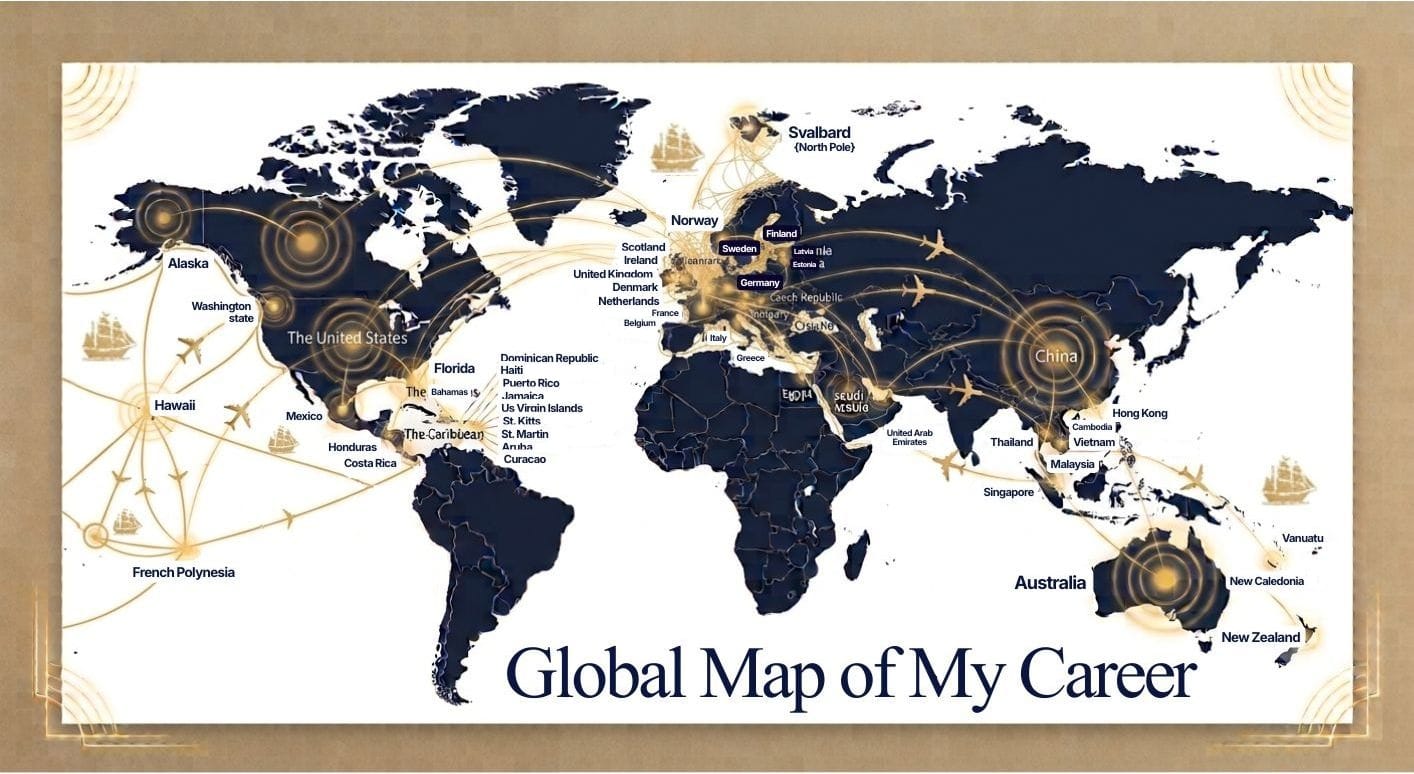
My career has never followed a conventional path. Rather than building my knowledge in a single country or within one discipline, I have sought to understand mental health from multiple scientific, cultural and clinical perspectives. Curiosity has been the compass of my career. It has taken me across five continents, from neuroscience and psychology research to international leadership consulting aboard cruise ships, from mental health initiatives in the Arctic to hospitals in Shanghai where Traditional Chinese Medicine is integrated with modern Western healthcare.
Scroll down for links to my public interviews.
Shanghai
Chinese Medicine Consultant
Svalbard
Arctic Expedition
Pacific Ocean
Maritime Organisational Psychologist
North Sea
Sailor & Researcher
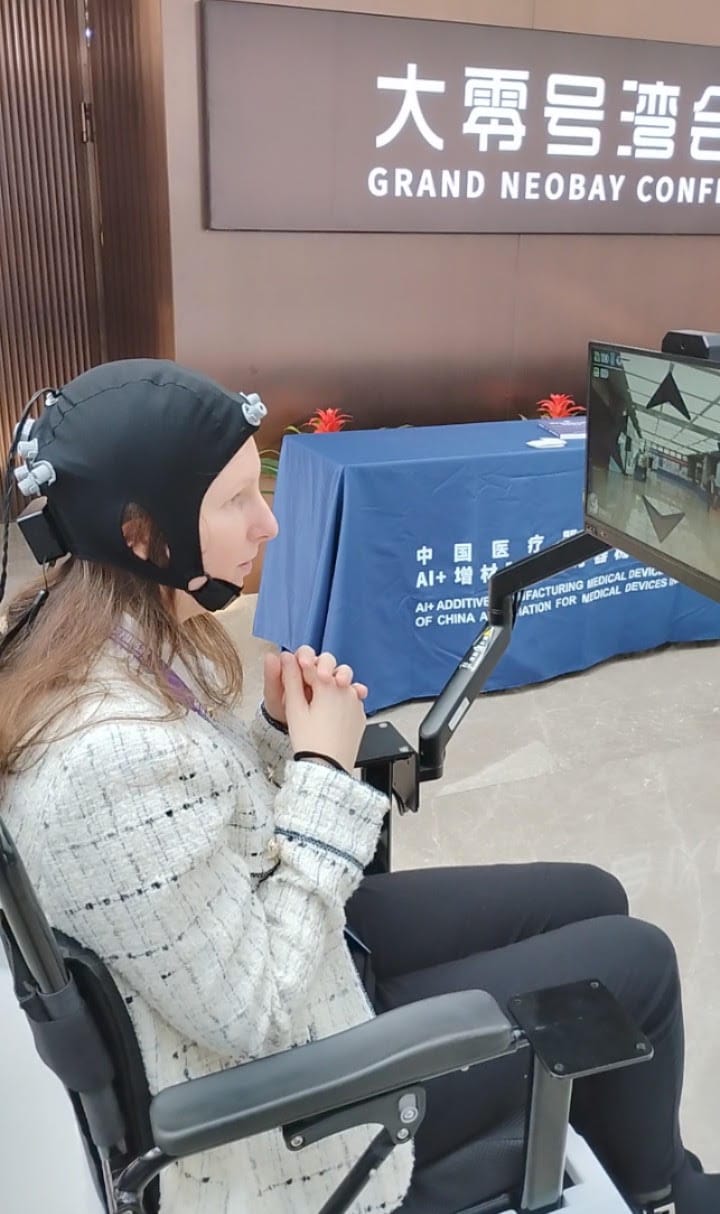
Today, my work brings together everything I have learned along the way. I combine evidence-based psychotherapy, neuroscience, EEG neurofeedback and acupuncture to help people better understand their minds, regulate their nervous systems and create lasting psychological change.
Mental Health in the Arctic
Mental Health in the Arctic
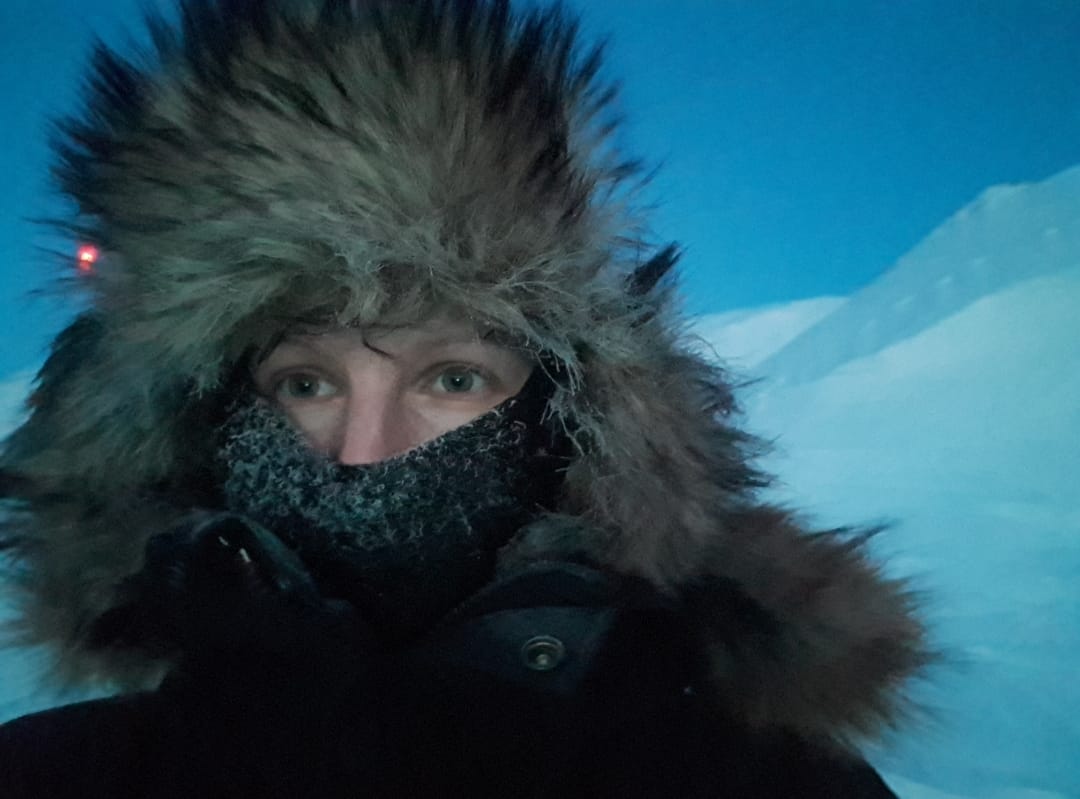
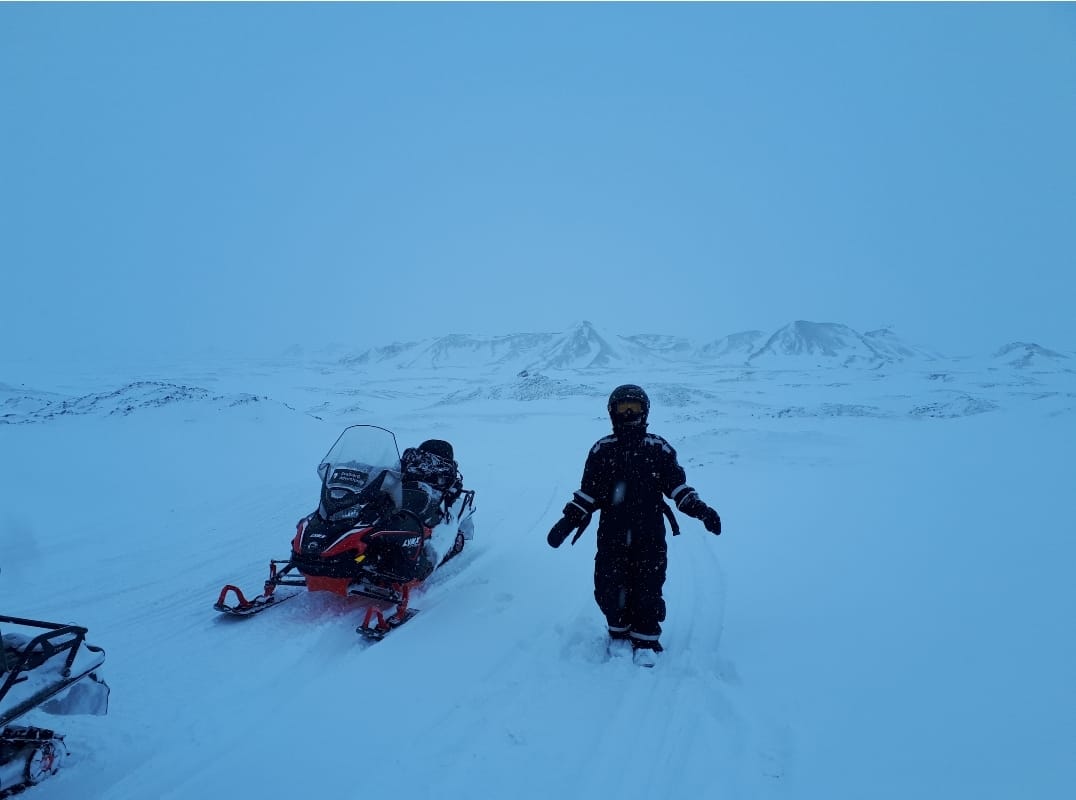
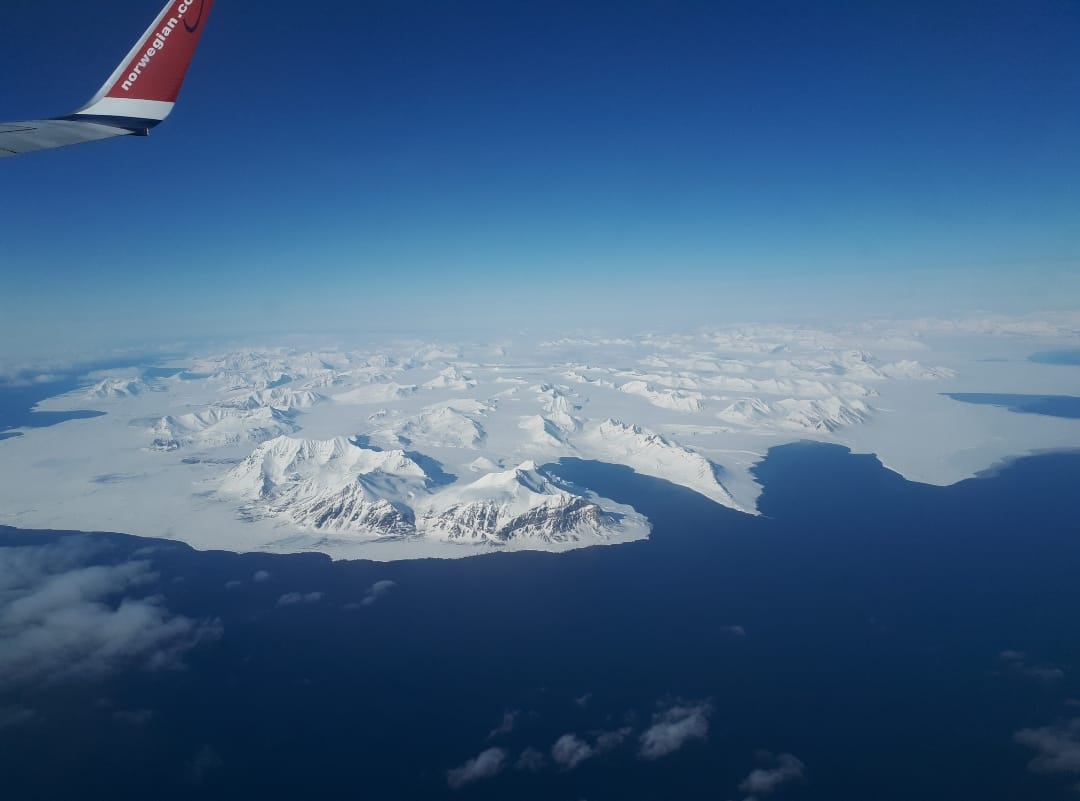
One of the most formative chapters of my professional life began
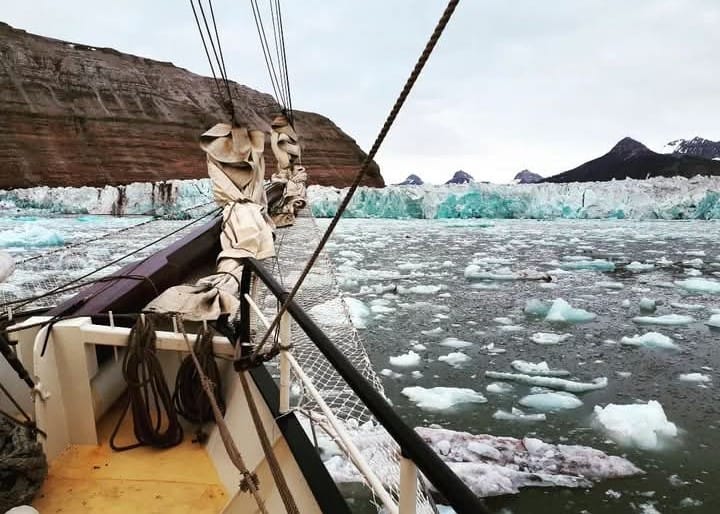
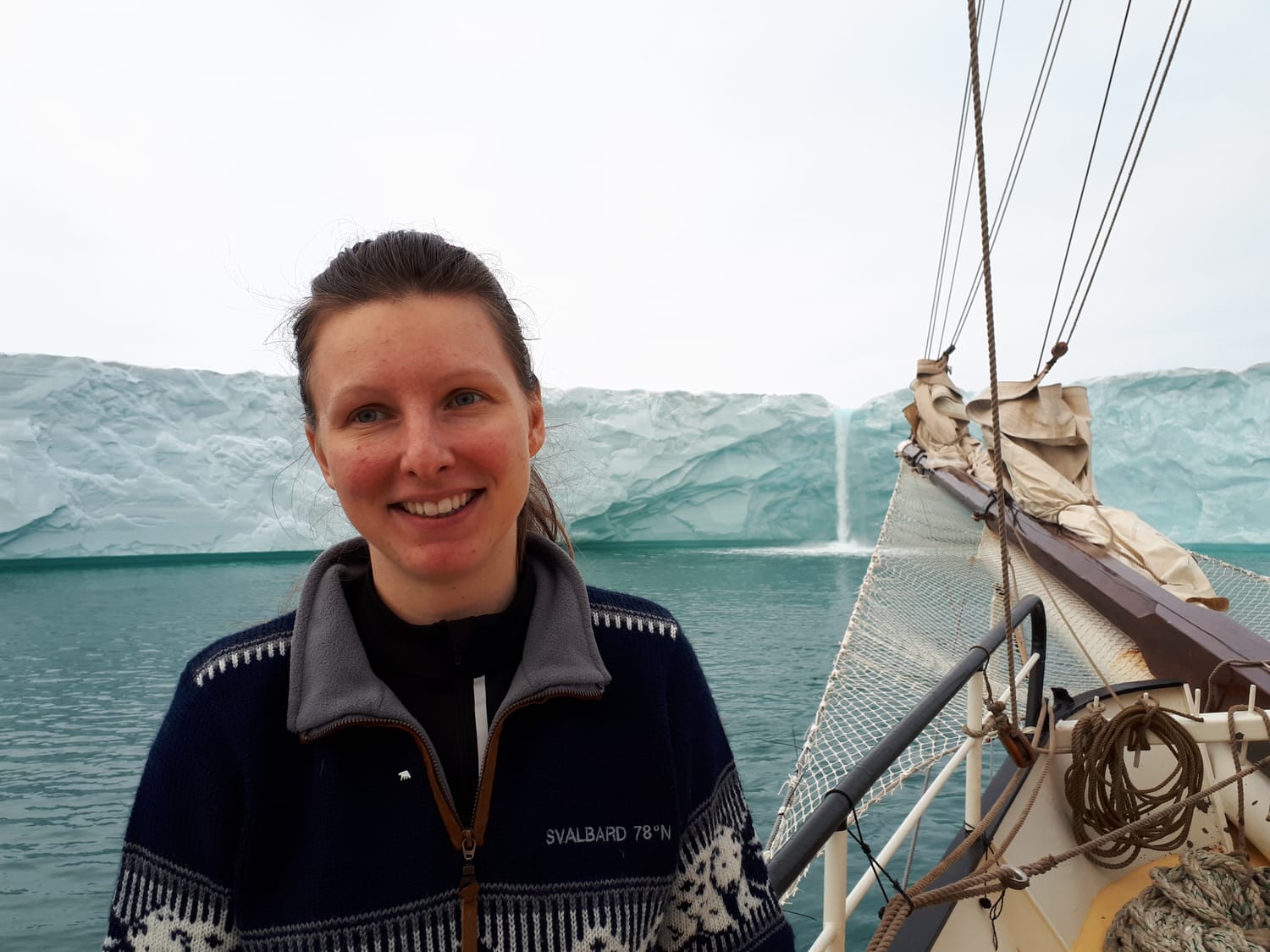
beyond the Arctic Circle, in Svalbard (near the North Pole).
I first arrived in the region while working aboard an Arctic expedition ship, but seeing the landscape firsthand had such a profound impact on me that I made the decision to leave the ship behind. Captivated by the environment and eager to explore it further, I decided to stay and live near the North Pole for a year.
While working in the maritime industry, I became increasingly interested in the psychological effects of isolation, environmental stress and seasonal depression. This curiosity led me to Svalbard, where I lived and worked in one of the northernmost communities in the world.
Experiencing the dramatic transition between months of continuous daylight and the darkness of the polar night provided a unique opportunity to observe how environmental conditions influence mood, sleep, cognition and emotional wellbeing.
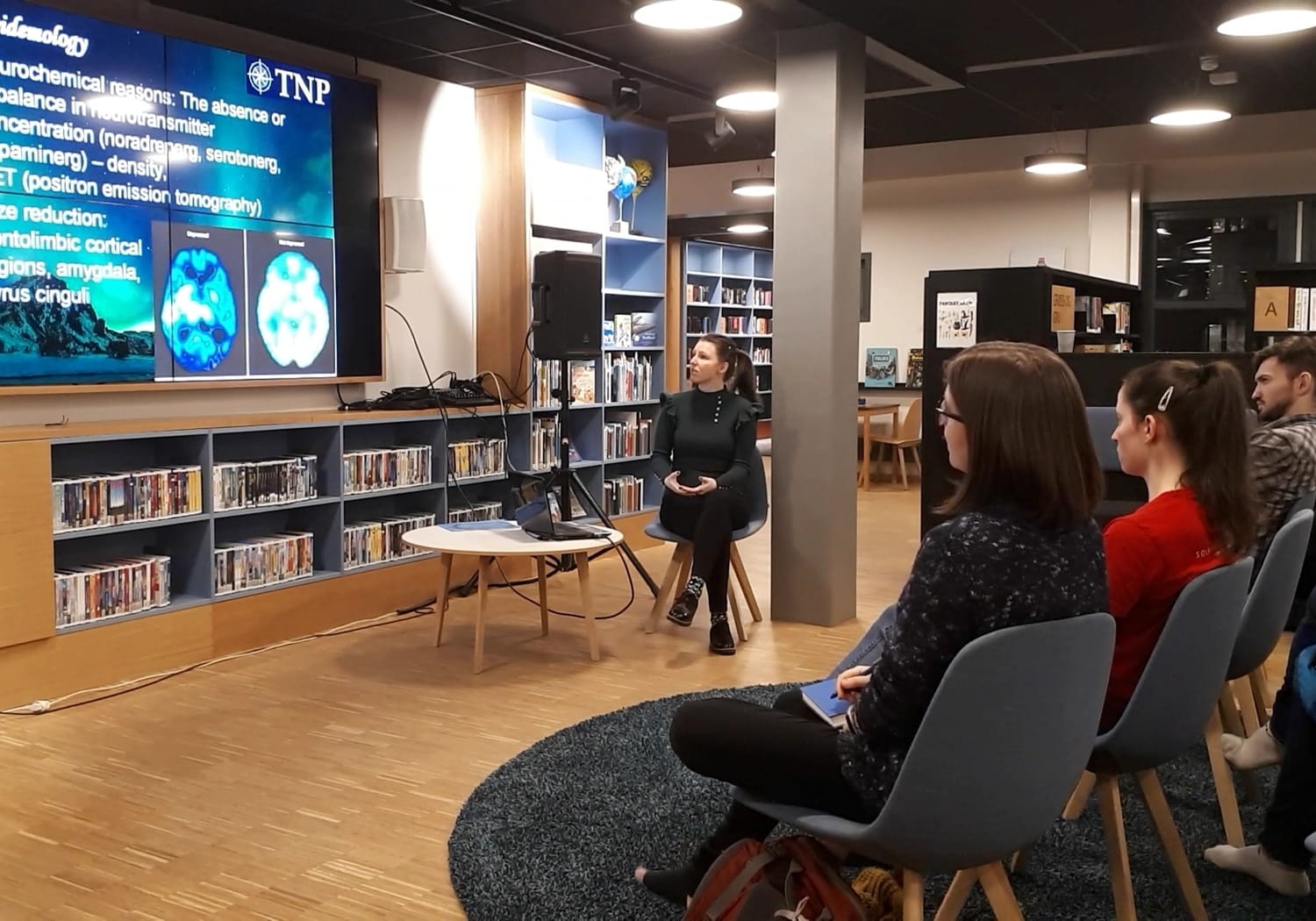
Motivated by these observations, I developed a community mental health initiative focused on depression awareness, stress management and psychological resilience. Through public lectures and individual consultations, I sought to translate complex neuroscience into practical knowledge that people could apply in their daily lives. My goal was to help people better understand the chemistry of the brain, recognize the biological foundations of emotional wellbeing and reduce the stigma surrounding mental health.
Living in the Arctic reinforced my appreciation for the extraordinary adaptability of the human brain and the importance of understanding the interaction between biology, environment and psychological health.
Our mission






Understanding Psychology Beyond the Therapy Room
Early in my career, I realised that understanding human behaviour required more than textbooks alone. I wanted to understand how culture, environment and lived experience influence the way people think, cope with stress and build resilience. Rather than limiting my work to one country, I chose an international career that would allow me to learn directly from people around the world.
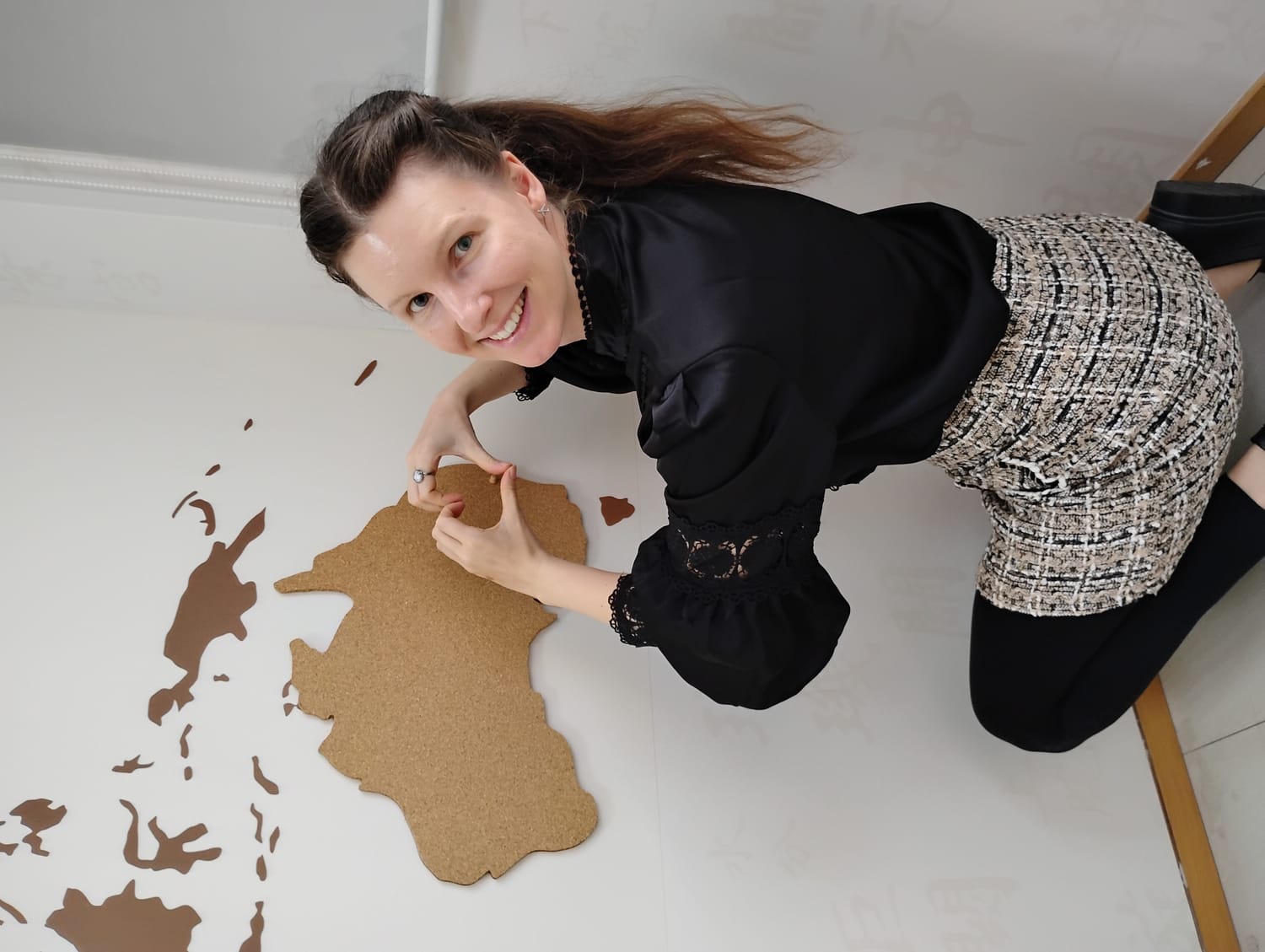
Over the years, I have gained experience across more than 58 countries across Europe, North America, the Caribbean, the Pacific, Australia, New Zealand, Asia and the Arctic. I have had the privilege of working with a fully international client population, supporting people from diverse cultural backgrounds, professions and personal journeys. Every country, every culture and every conversation has taught me something different about human nature.
This motivation led me into international consulting within one of the world's largest cruise companies, where I worked with leaders responsible for highly diverse multinational teams operating in demanding environments.
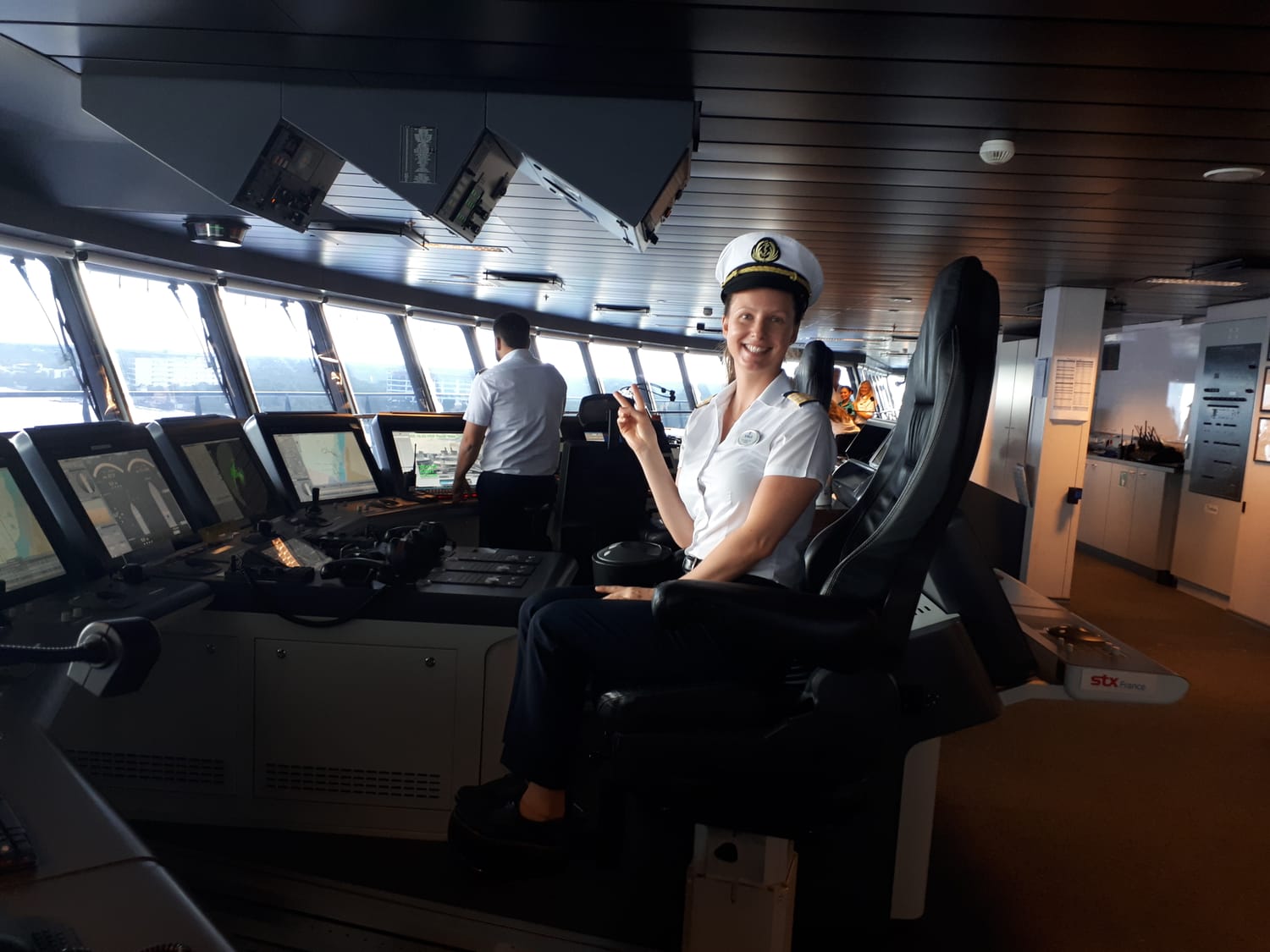

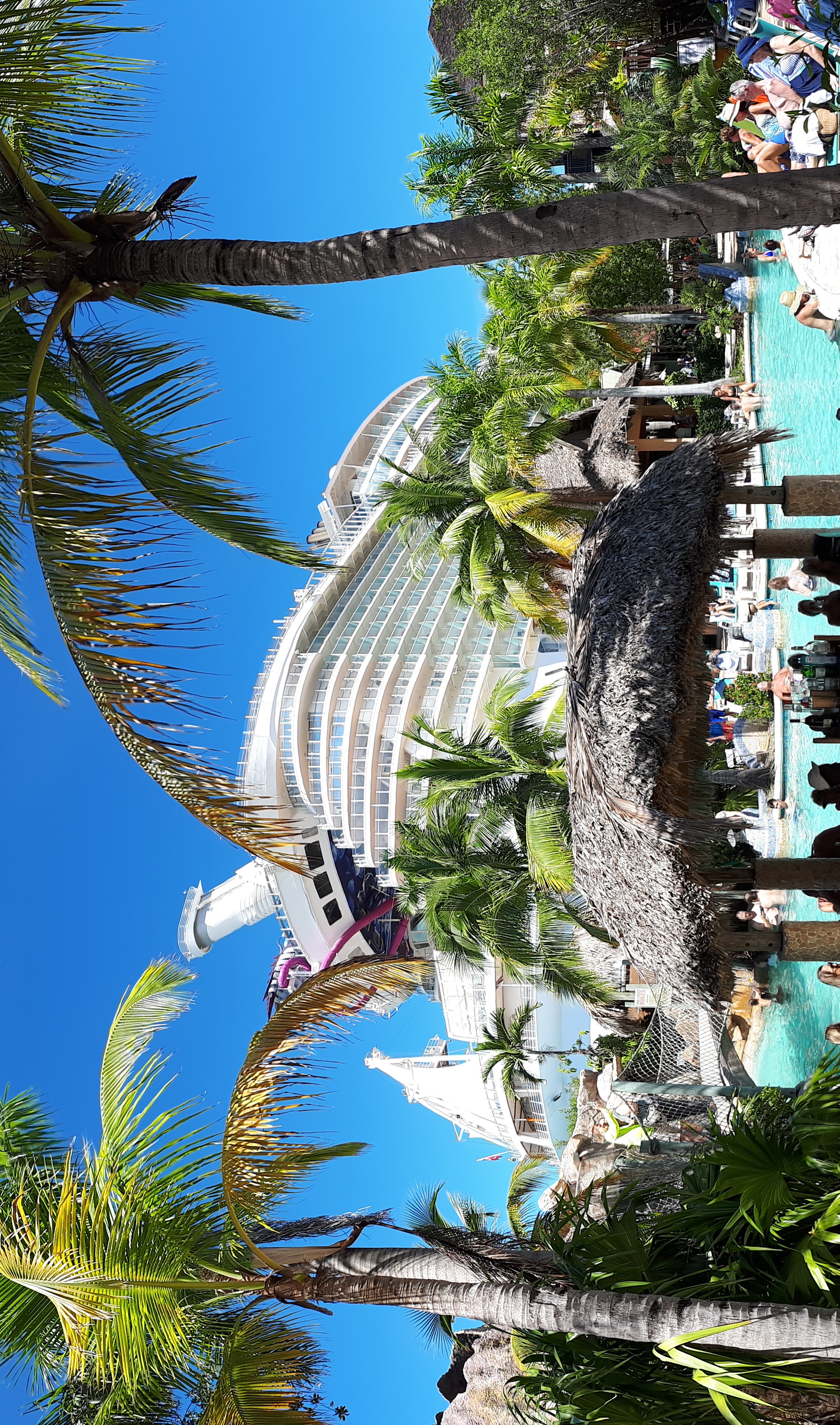
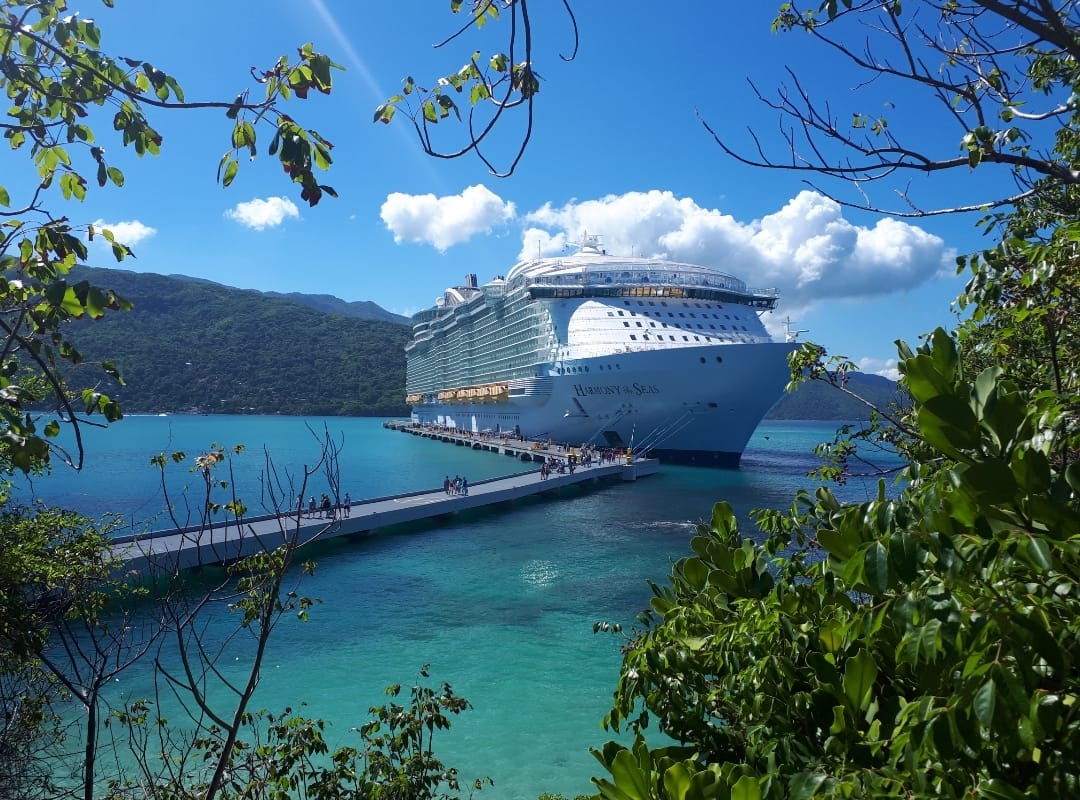
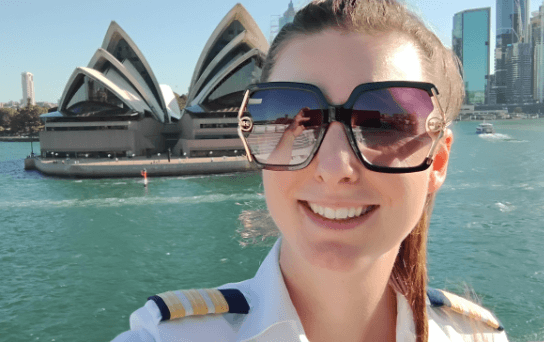

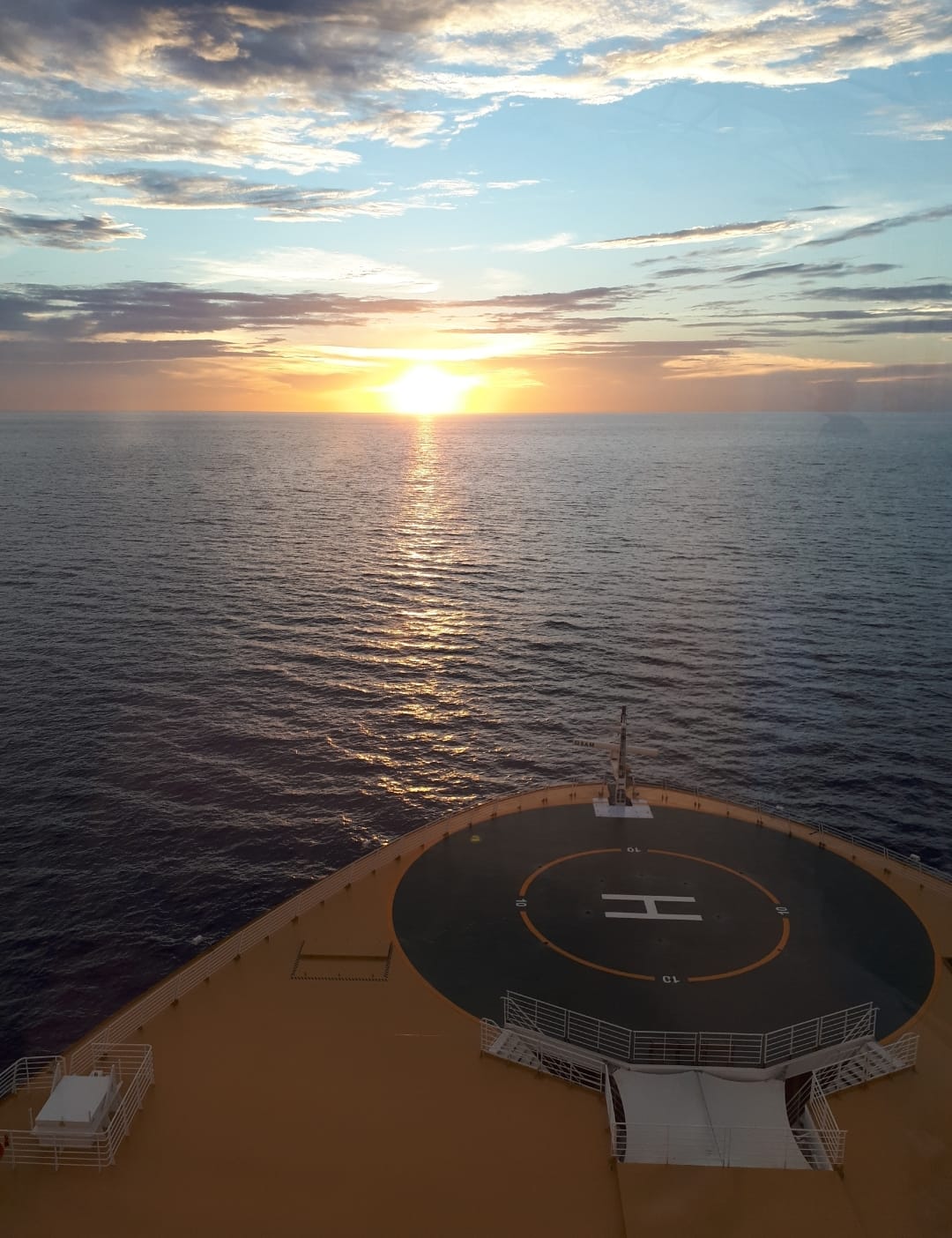
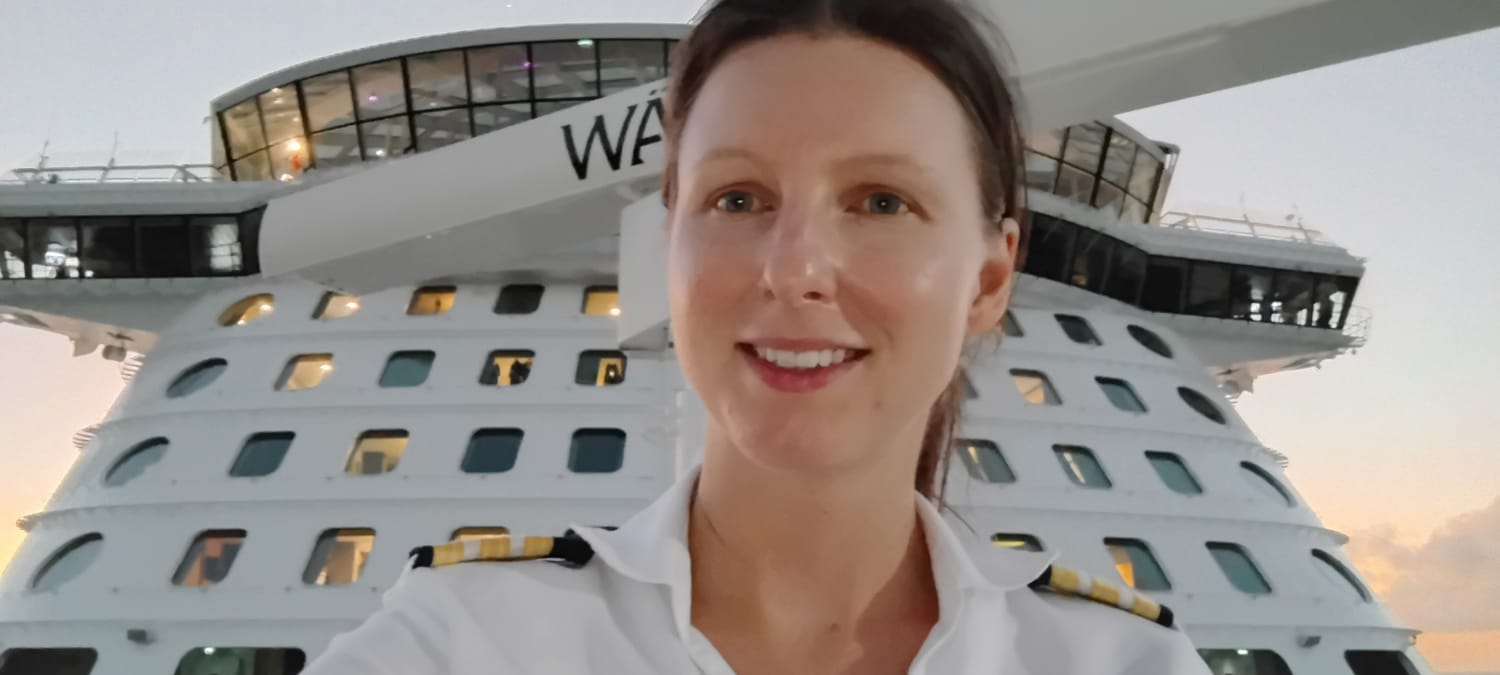
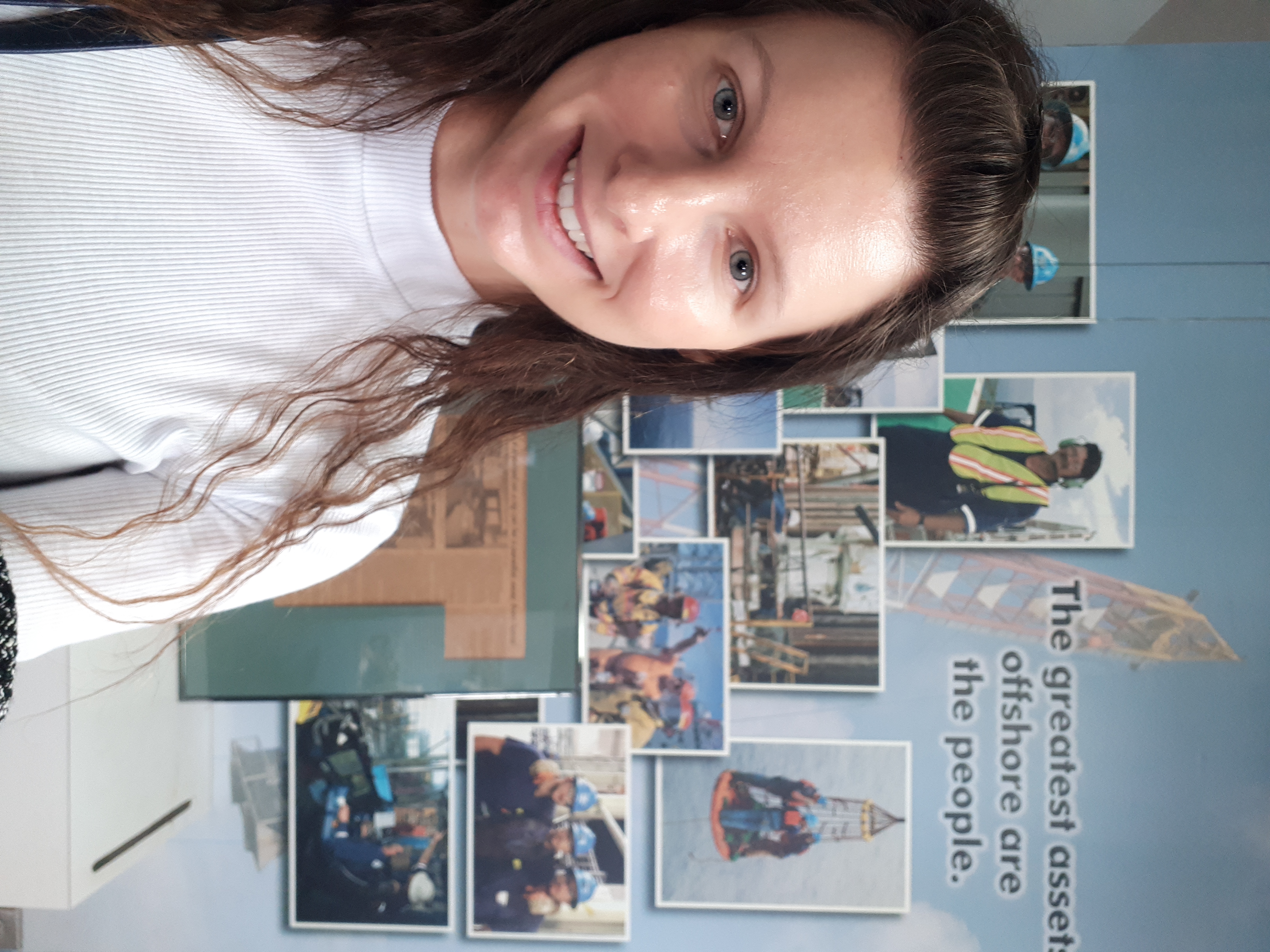

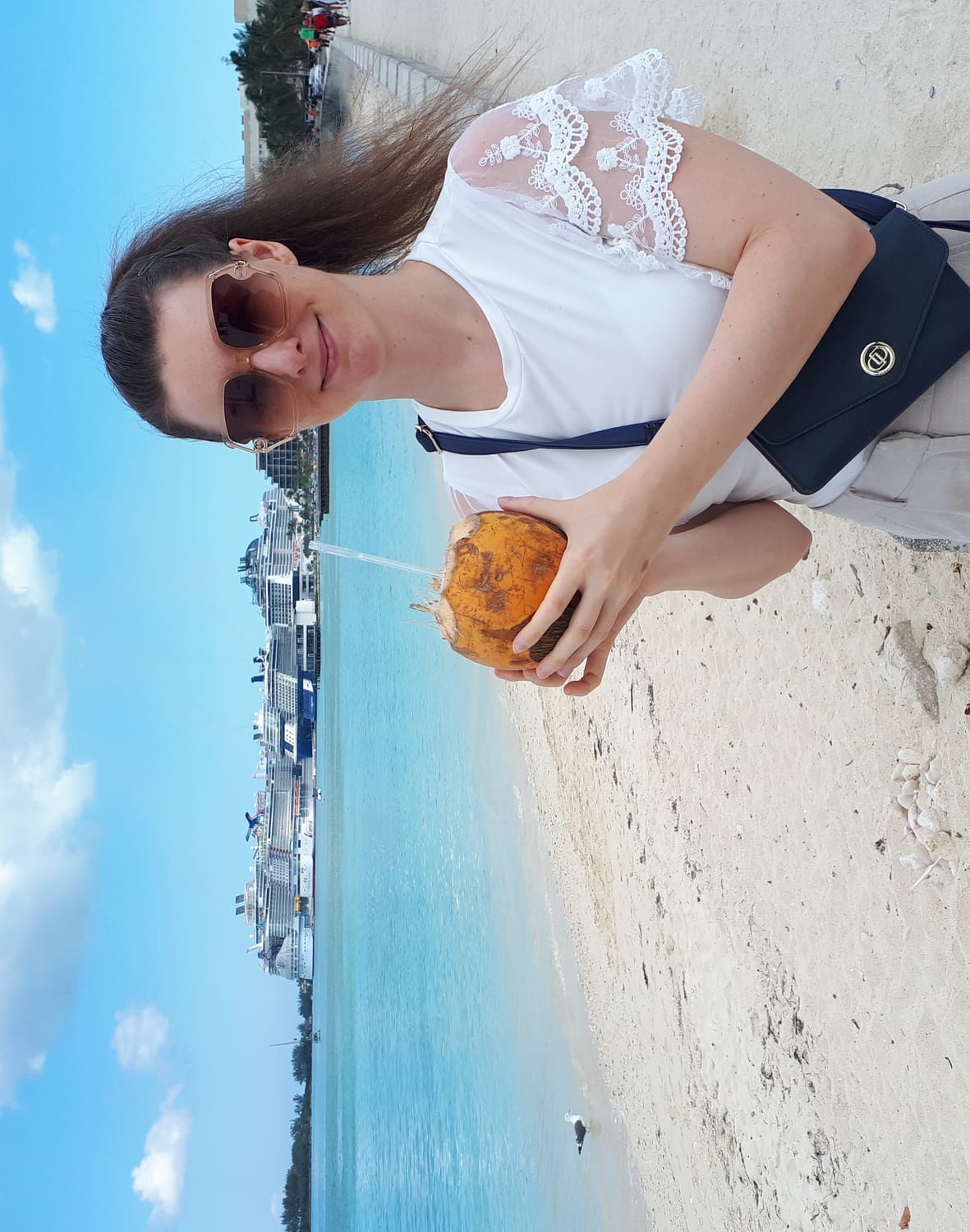
As a psychological consultant, I specialised in leadership assessment, executive coaching, talent development, organisational psychology and performance improvement. My work included psychological assessments, psychometric testing, succession planning, leadership development programs and educational workshops designed to strengthen both individual performance and team effectiveness.
Working within one of the industry's leading global fleets gave me a unique opportunity to consult leaders responsible for multicultural teams operating across every major region of the world. My clients came from remarkably diverse cultural backgrounds, allowing me to observe firsthand how culture influences communication, leadership, emotional resilience and responses to stress.
Supporting such an international client base fundamentally changed the way I understand psychology. Although the biological foundations of the brain are universal, every person interprets the world through the lens of their own culture, values and life experiences. These insights continue to shape my therapeutic work today, allowing me to approach every client with openness, cultural sensitivity and genuine curiosity. Rather than seeing psychology through a single cultural lens, I have learned to appreciate the diversity of human experience while recognising the common biological principles that connect us all.
Why I Chose China
Although neuroscience has always remained at the center of my work, I became increasingly interested in another question:
How can we better understand the relationship between the brain and the body?
Again and again, I met people whose emotional suffering extended far beyond their thoughts. Chronic stress, anxiety and trauma often manifested physically through tension, pain, insomnia and nervous system dysregulation. I wanted to understand these connections more deeply.
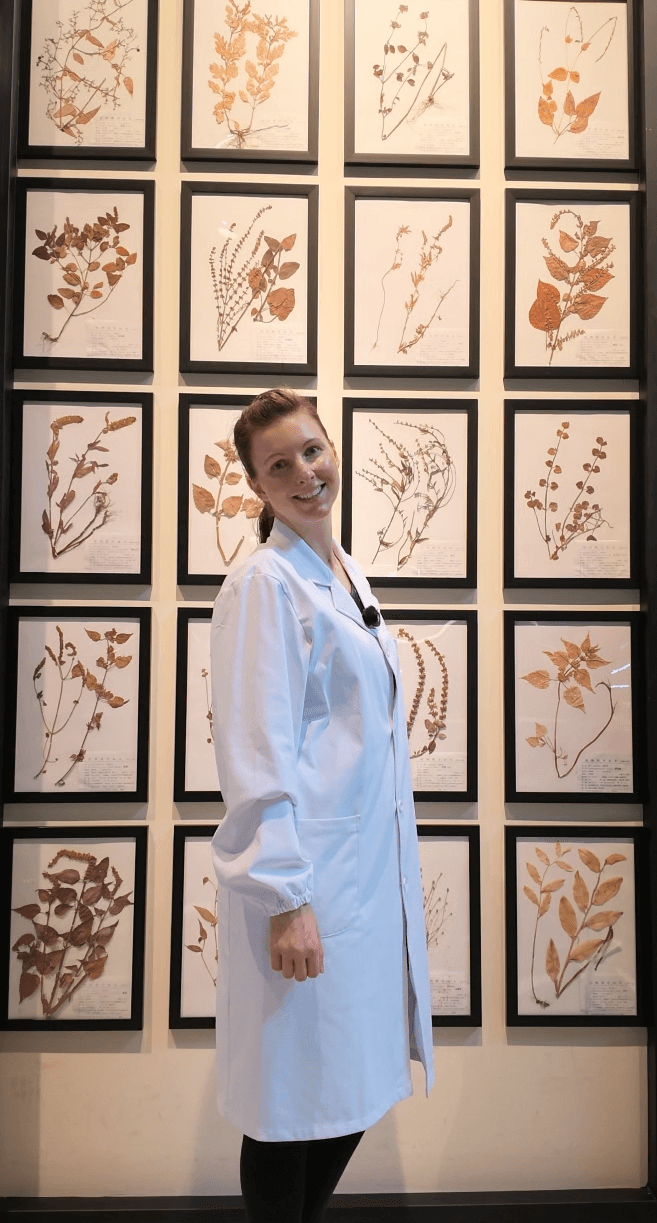
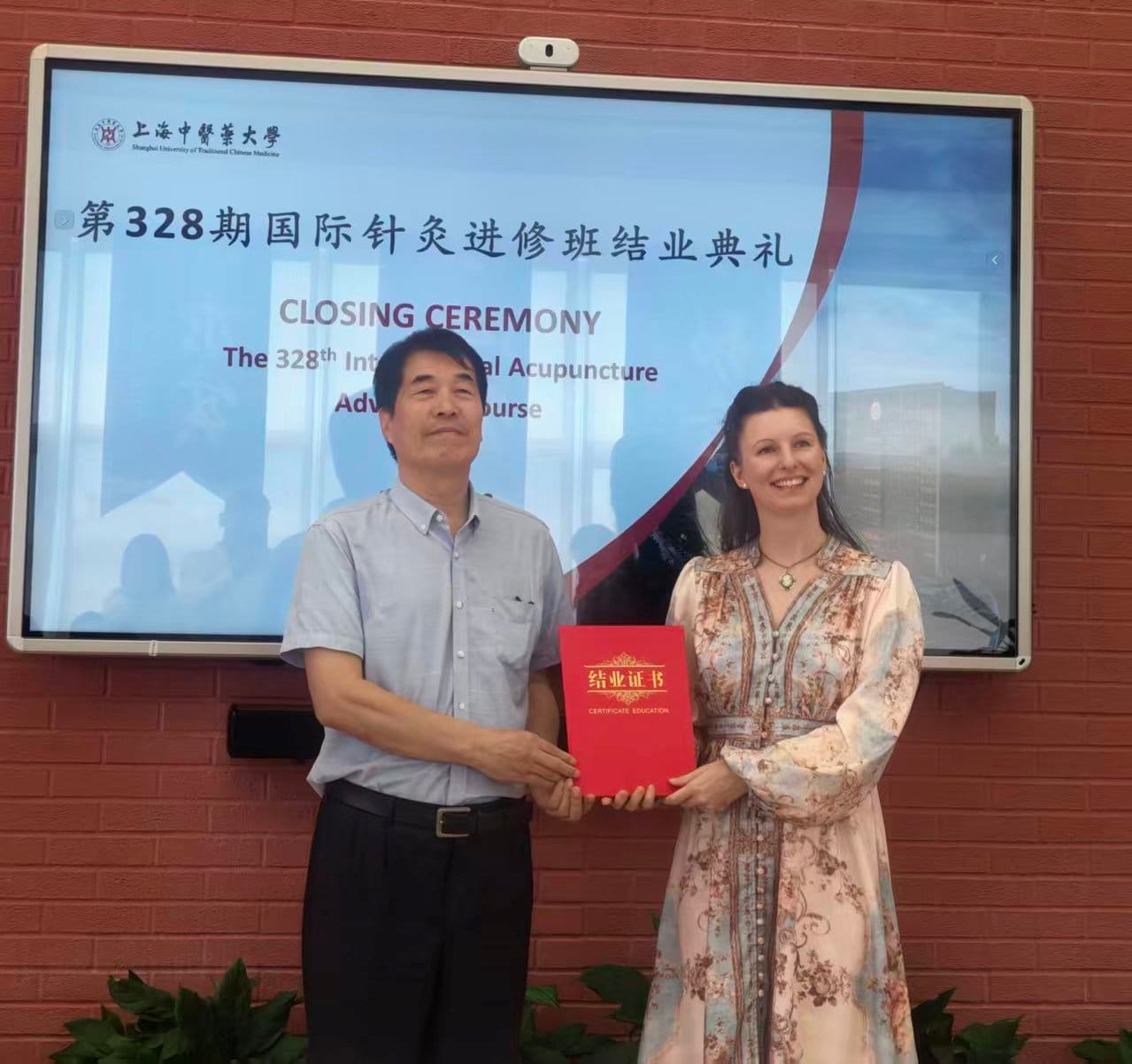
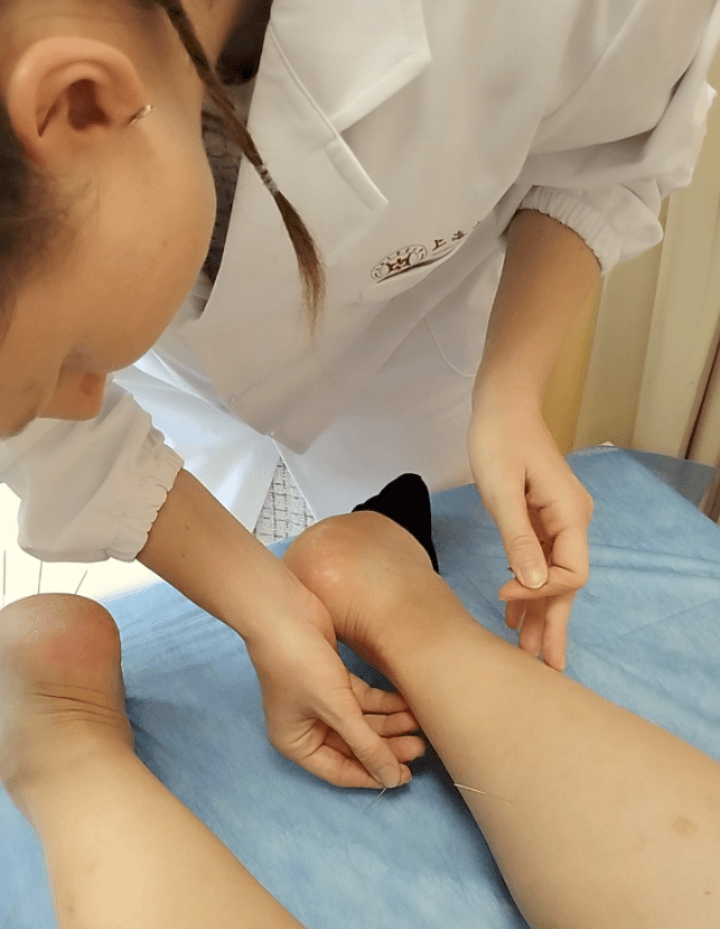
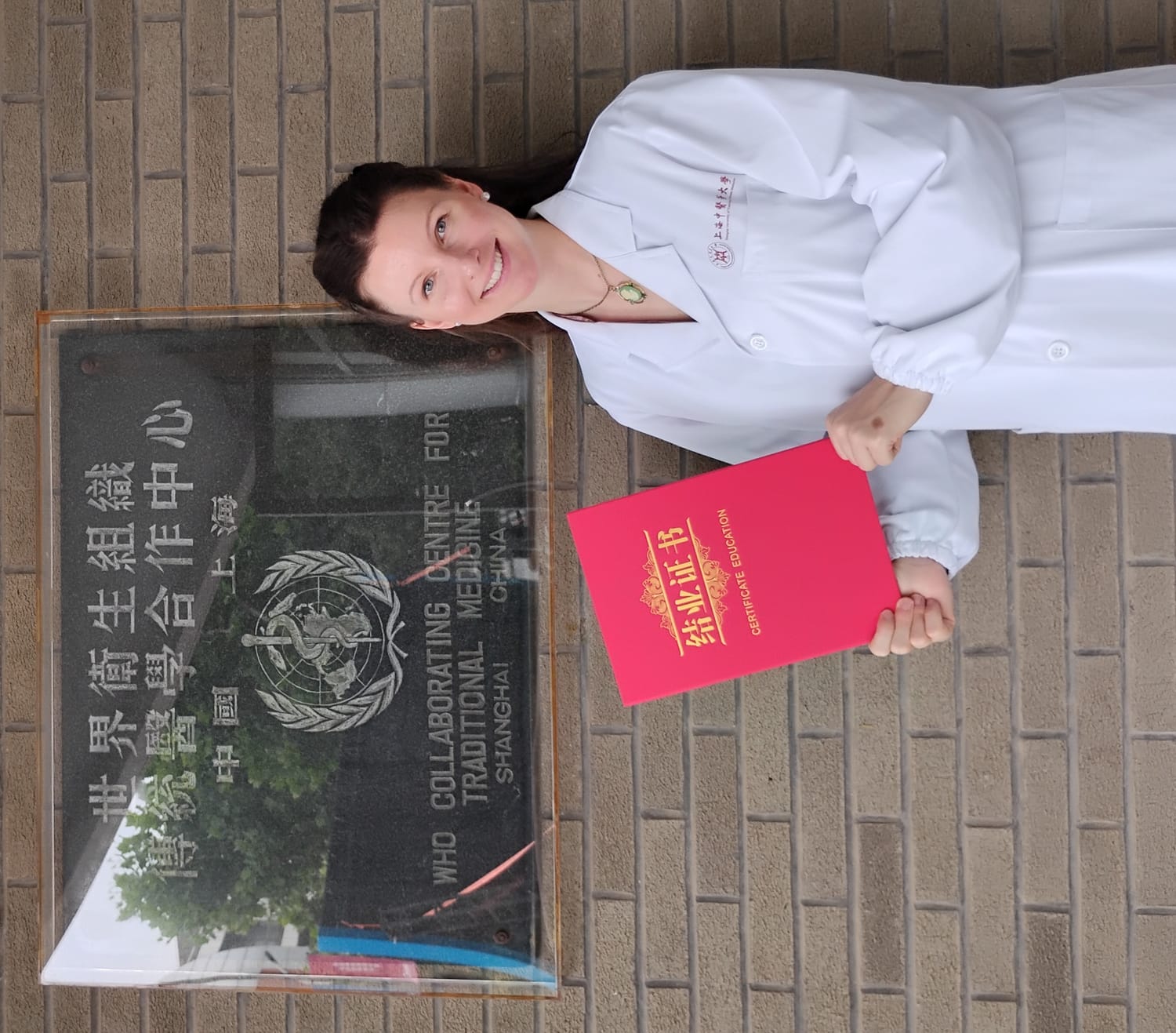
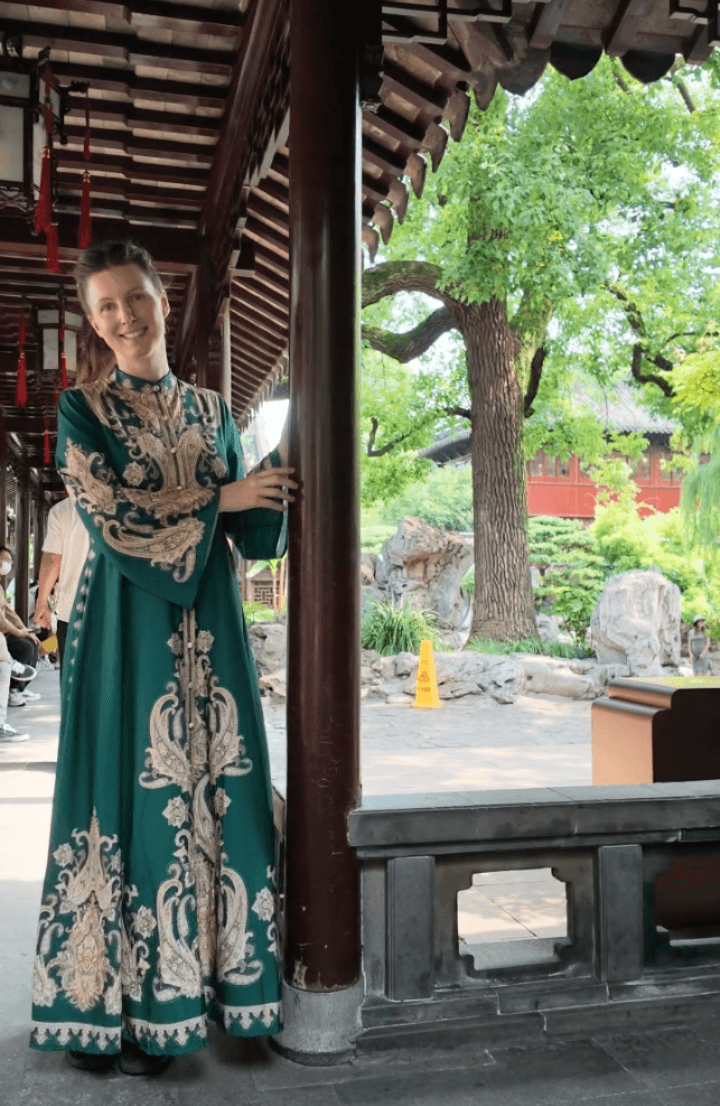
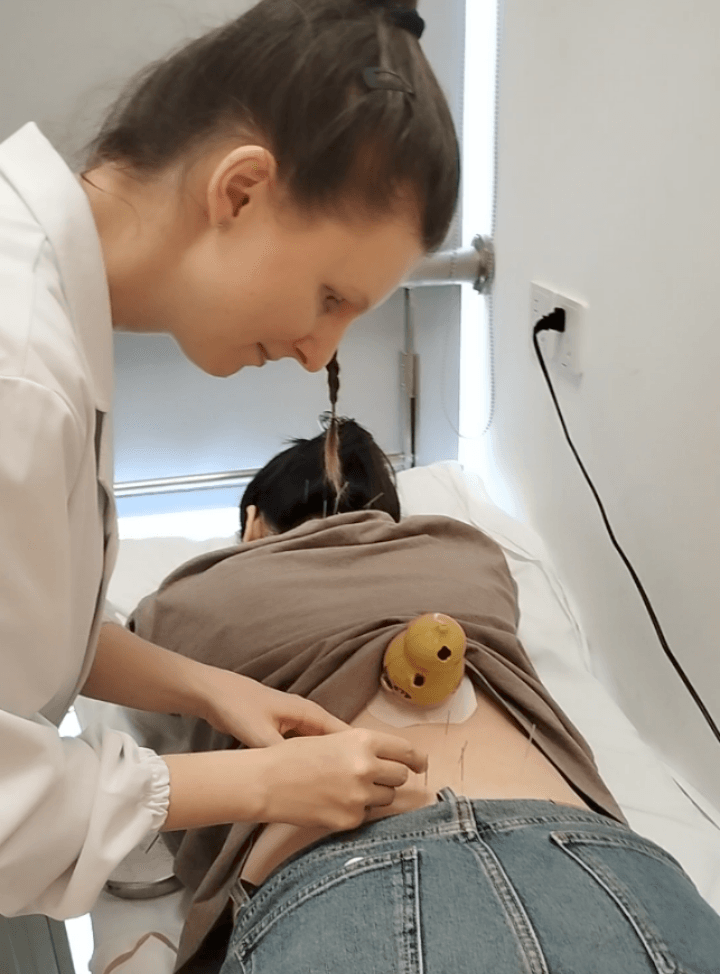
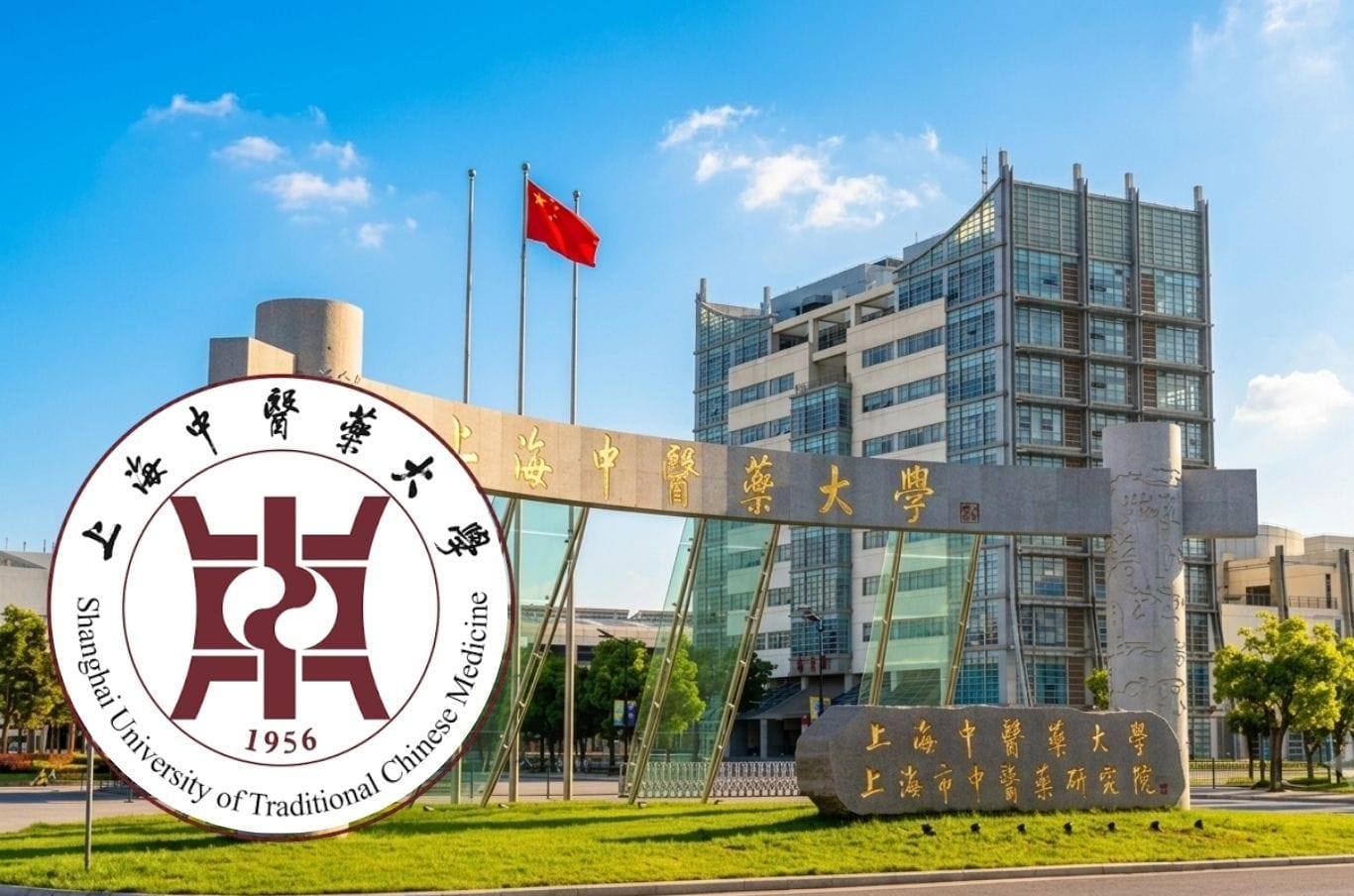
This curiosity eventually led me to Shanghai University of Traditional Chinese Medicine, where I undertook formal studies in Traditional Chinese Medicine and acupuncture.
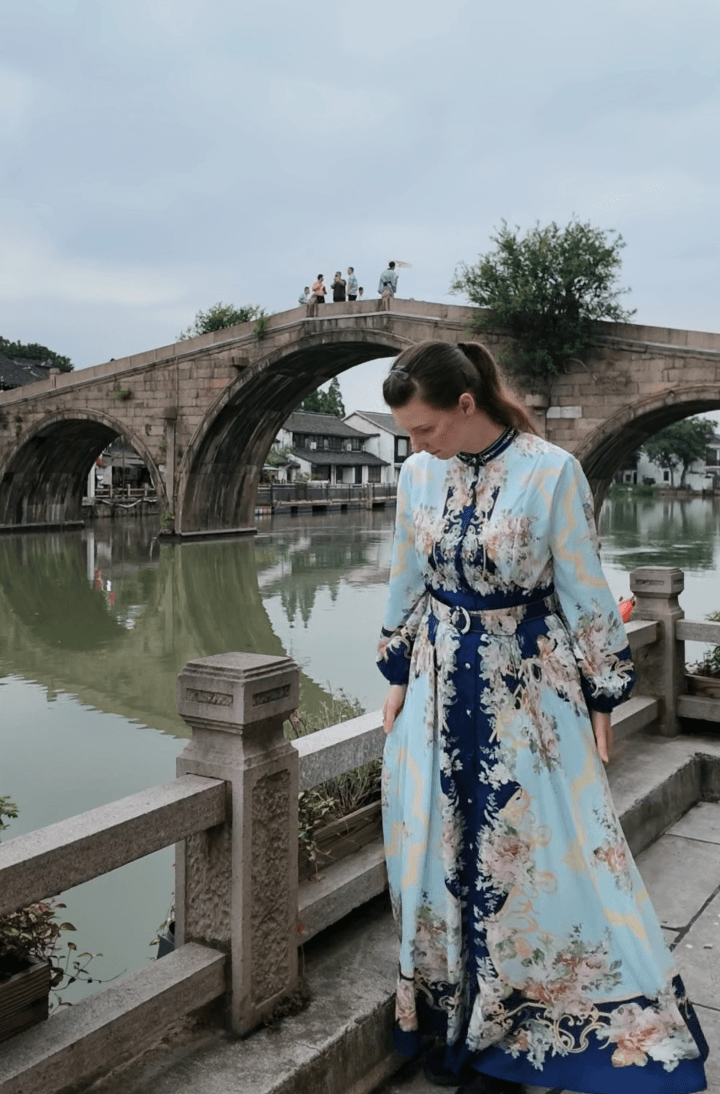
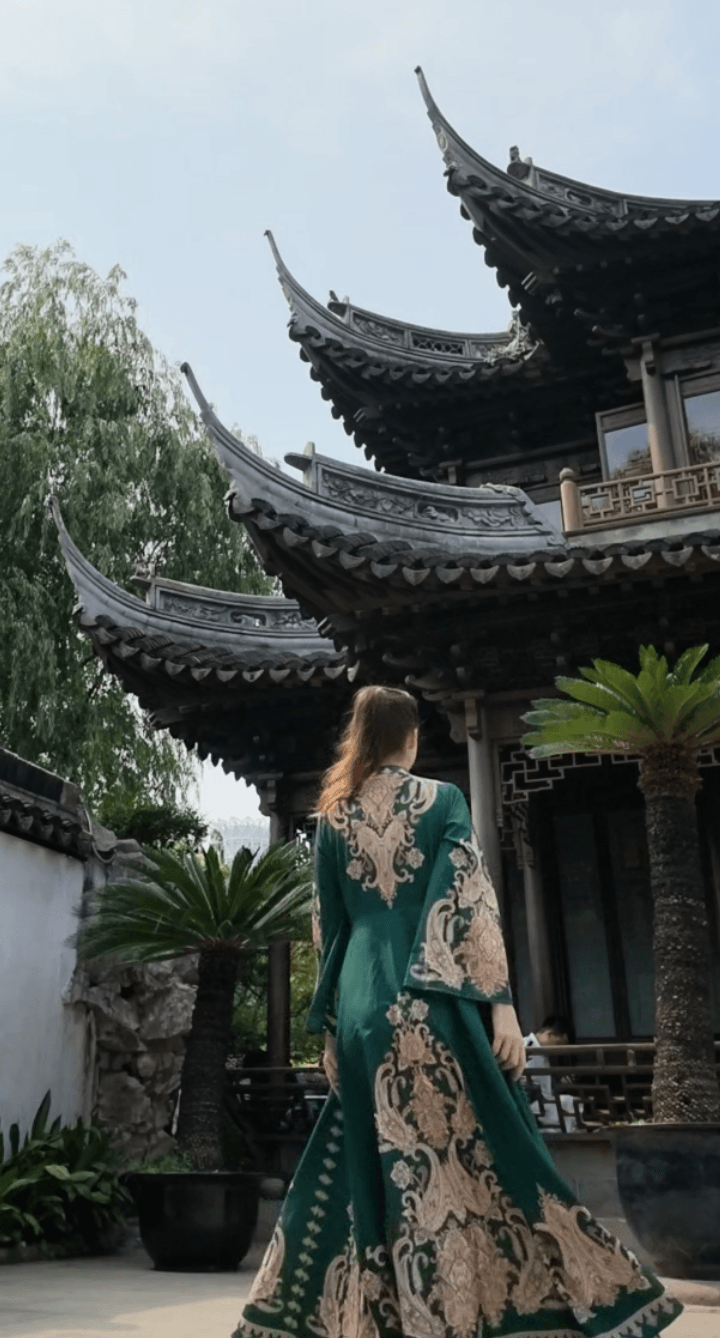
Moving to China represented far more than continuing my education. It was an opportunity to immerse myself in a healthcare philosophy developed through thousands of years of clinical observation and to experience a completely different way of understanding health, healing and the relationship between body and mind.
One of the most influential parts of my training was working in a hospital where Western medicine and Traditional Chinese Medicine were practiced side by side. Observing neurologists, rehabilitation physicians and Chinese medicine practitioners collaborate in patient care fundamentally broadened my perspective on healing.
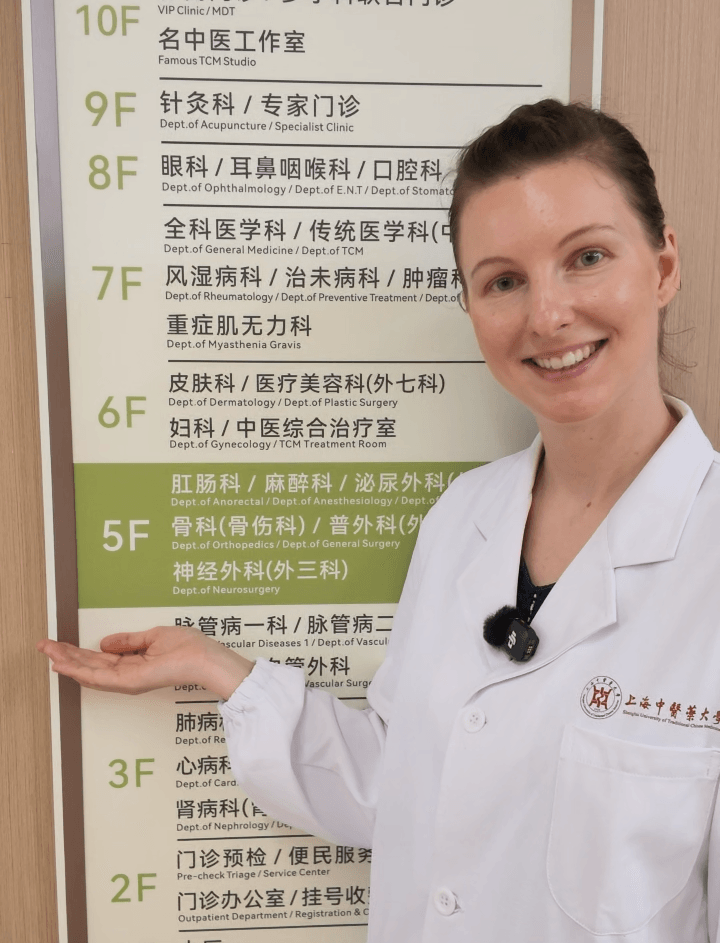
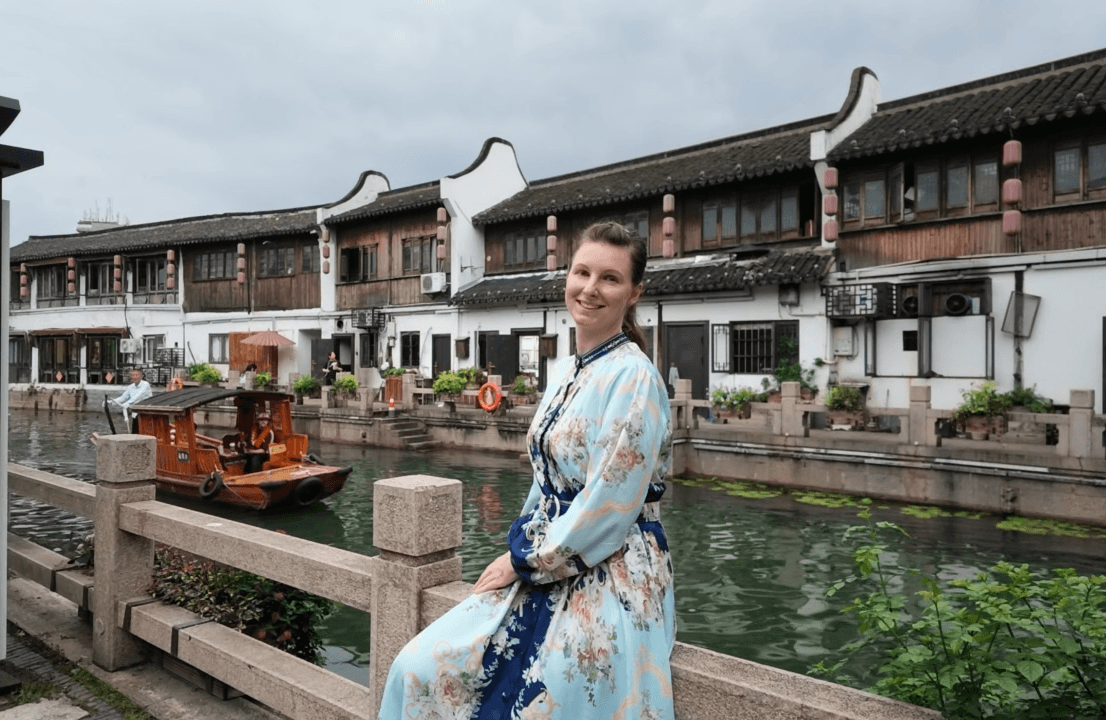
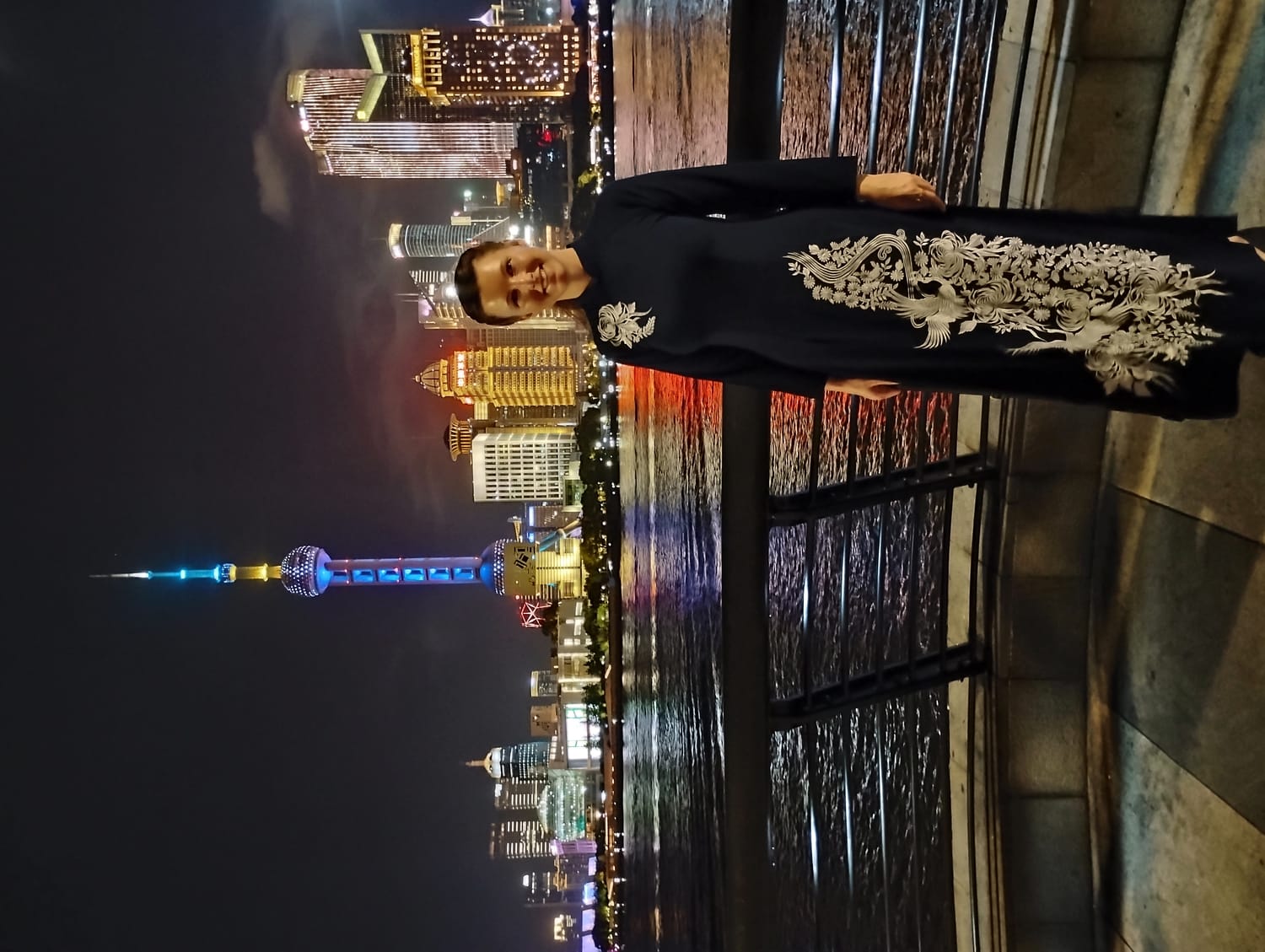
Rather than viewing scientific medicine and traditional medicine as competing approaches, I came to appreciate how each contributes valuable insights into human health. My experience in China strengthened my belief that effective healthcare should remain evidence-informed while also recognising the importance of treating the individual as a whole.
Acupuncture has since become an important complement to my psychological practice, particularly in supporting nervous system regulation, stress reduction and emotional wellbeing. Today, integrating neuroscience with Traditional Chinese Medicine allows me to offer a broader perspective on mental health—one that respects both scientific evidence and the close connection between the brain and the body.
Looking back, I realise that every move I have made—whether to the Arctic, across the Pacific, or to Shanghai—was guided by the same curiosity. Whenever I encountered a new perspective on the human mind, I wanted to experience it firsthand rather than simply read about it. That curiosity continues to shape both my personal life and my professional practice.
How Extreme Stress Workplaces Shape the Neurobiology of Resilience
My fascination with stress, neuroscience and organisational psychology eventually became the focus of my academic research.
Drawing on established cross-cultural frameworks together with extensive qualitative interviews I conducted with maritime professionals from different cultural backgrounds, I explored how leadership styles influence stress, wellbeing and organisational performance in multicultural environments.
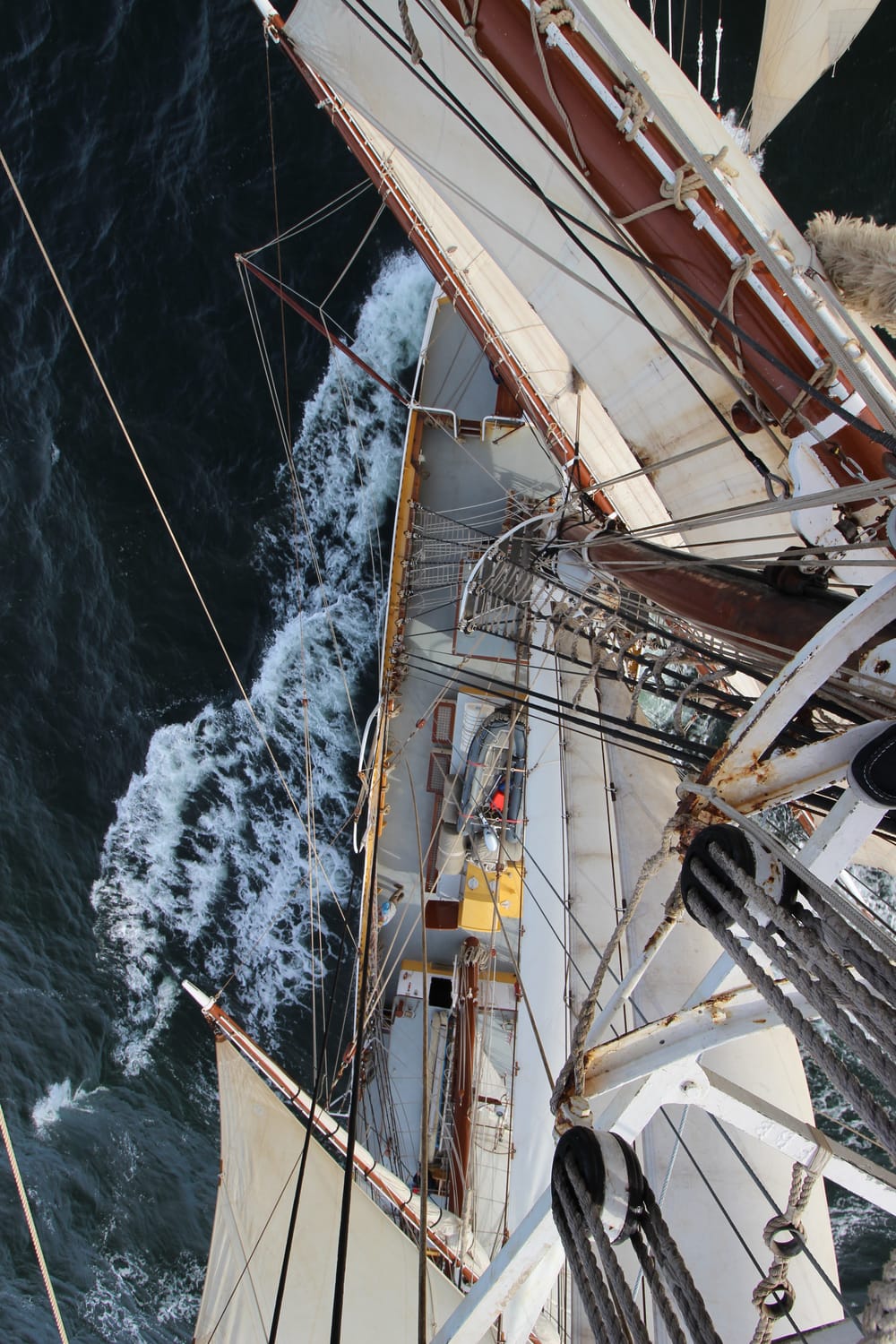
While collecting this data, I was not merely an outside observer—I was working firsthand as a sail-handling deckhand on traditional square-rigged ships. For those unfamiliar with these vessels, a square rigger is a massive, historic-style sailing ship with large, horizontal yards. The job demands intense physical labor, including climbing thirty to forty meters above the ocean onto swaying masts to stow and furl heavy canvas sails by hand—often in pitch-black conditions or rolling seas. Experiencing this environment firsthand exposed me to extreme physical and psychological stress. Navigating high-stress conditions while understanding the underlying neuropsychology gave me a unique dual perspective, allowing me to dive far deeper into stress research than theory alone would permit.
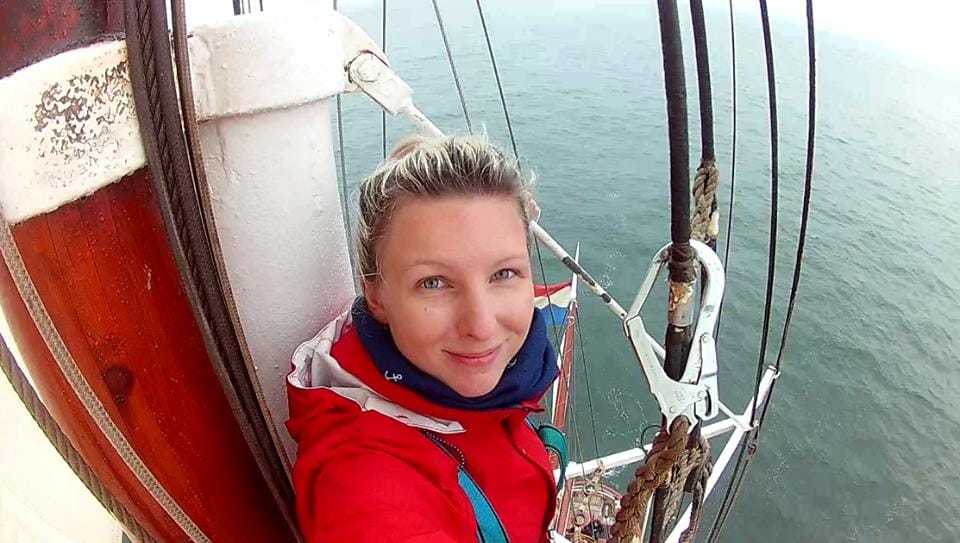




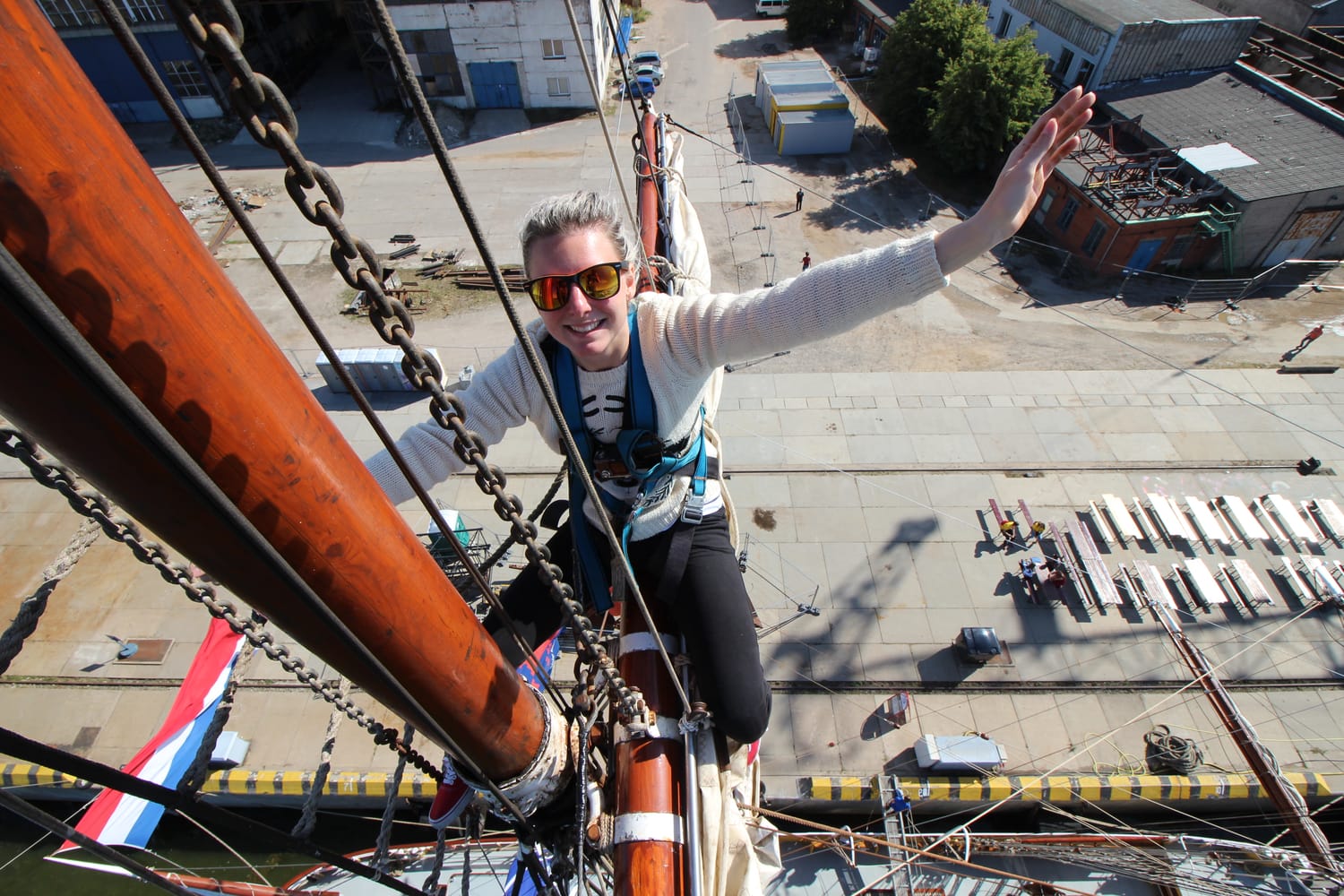
My research demonstrated the importance of adaptive leadership, emotional intelligence and cultural awareness in creating psychologically healthy workplaces. It also reinforced an insight that has remained central throughout my career: there is rarely a single solution that fits everyone. Effective psychological support always begins with understanding the individual.
This philosophy now forms the foundation of my clinical work.
Building a Scientific Foundation
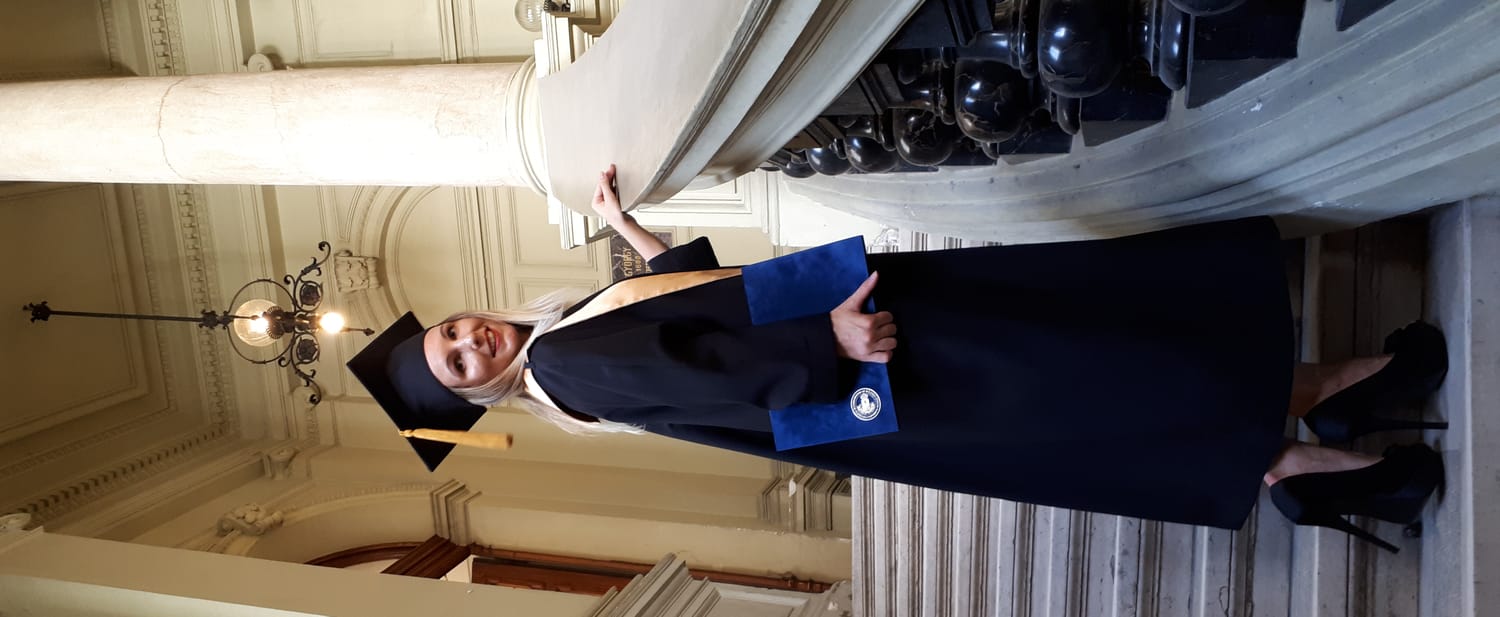
I studied psychology at Eötvös Loránd University in Budapest, one of Central Europe's leading research universities, where I developed a strong interest in neuroscience and the biological foundations of human behaviour. During my studies, I became particularly fascinated by the relationship between brain function, cognition and emotional wellbeing. Understanding the extraordinary complexity of neural networks and the mechanisms underlying behaviour confirmed that I had found the field to which I wanted to dedicate my life.
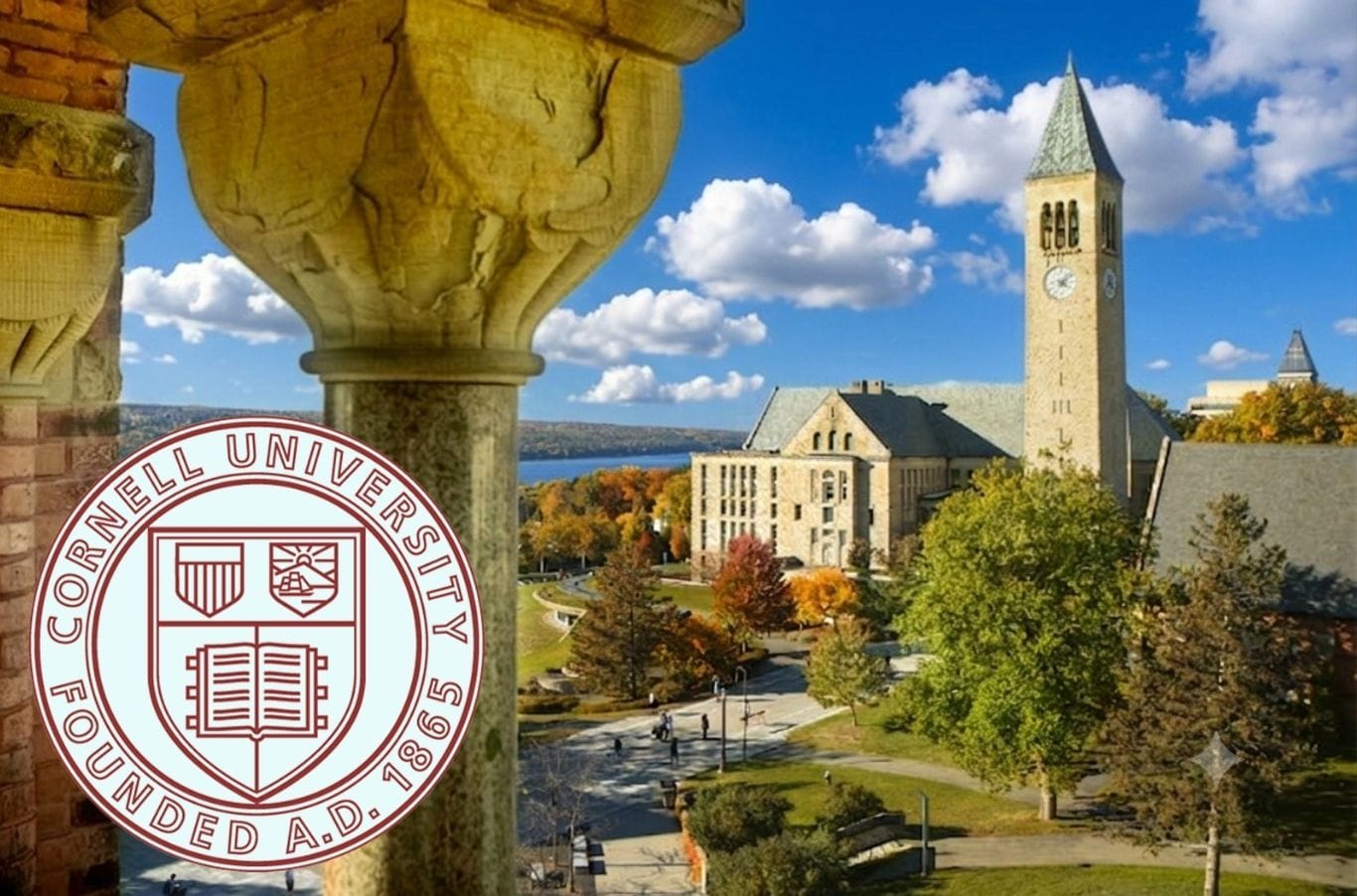
My passion for neuroscience has continued far beyond university. I completed advanced professional training in EEG neurofeedback and biofeedback, expanding my expertise in understanding and supporting brain function through objective physiological assessment. I also completed specialised training at Cornell University in New York, further strengthening my scientific approach to psychology and human performance. Driven by a desire to understand how bodily systems interact, I also decided to study at the Shanghai University of Traditional Chinese Medicine, fascinated by the intricate connection between nervous system function and acupuncture.
Even today, learning remains an essential part of my life. I continuously study emerging research in neuroscience, psychology, behavioural science and integrative medicine because I believe that effective therapy must evolve alongside scientific discovery.

My Approach to Therapy and Science
Through a Global Perspective
and Individual Care
Education and clinical practice go hand in hand for me. Whether presenting lectures on cross-cultural stress—including being invited as a guest lecturer at Eötvös Loránd University—or working one-on-one with clients, my goal is to translate neuroscience into practical tools for daily life.
Because no single discipline holds all the answers, my therapeutic approach bridges science and bodily awareness. By integrating evidence-based modalities like CBT, Schema Therapy, EEG neurofeedback, psychophysiological assessment, and acupuncture, I address both the mental and biological dimensions of emotional distress. Whether you need to reshape deep-rooted thought patterns, calm an overactive nervous system, or restore physiological balance, care must always fit the individual.
Every chapter of my journey—from Arctic living and maritime research to traditional medicine—has reinforced one truth: healing speaks a universal language. Lasting change isn't about changing who you are, but understanding your mind, nervous system, and history deeply enough to thrive. Providing a space where modern science meets genuine empathy is both my profession and my greatest passion.